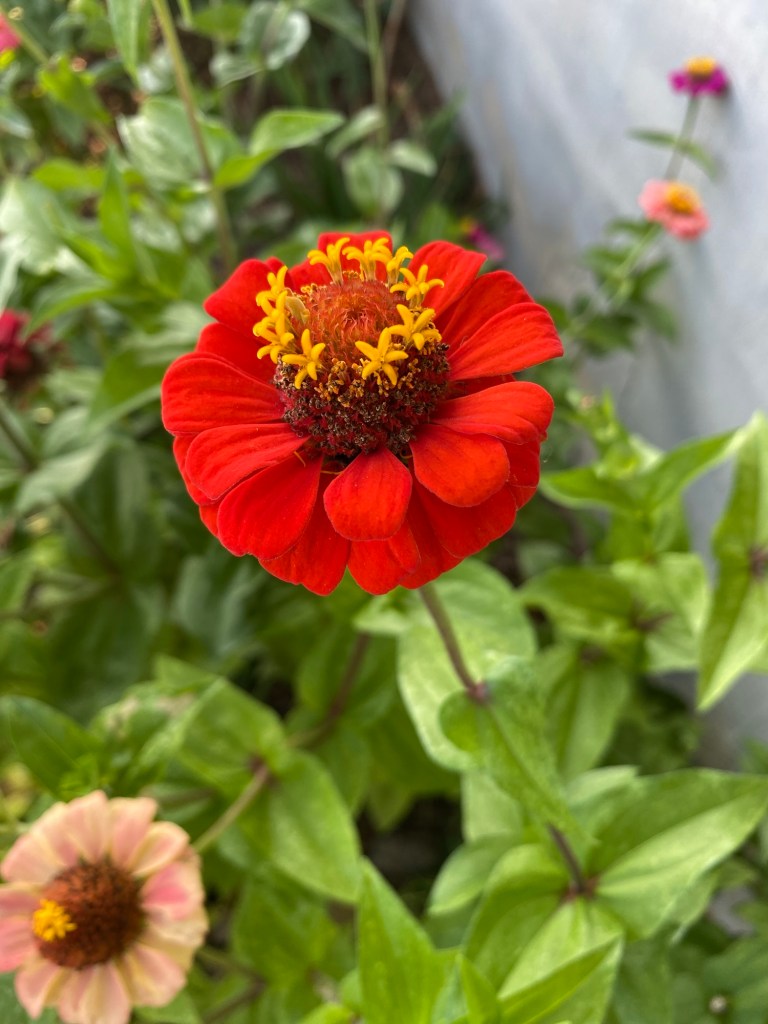
Do you save flower seeds for next season? Several garden flowers and vegetables are easy to save their seeds.
Cosmos. These simple, fun flowers come up all over if given the chance.
Cosmos seeds are easy to save. They grow happily anywhere it seems. However, late in season mildew can be a problem on their leaves. Spray if you desire.
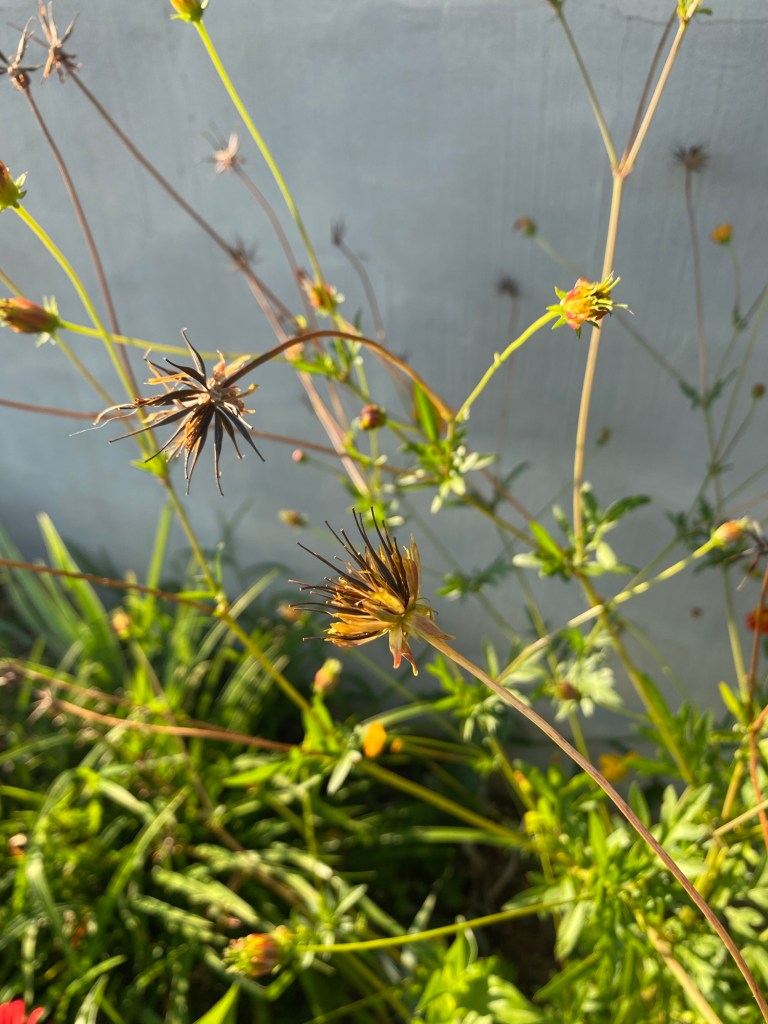
Leave a few flowers to dry on the stem.Look at all those seeds from part of the seed head!
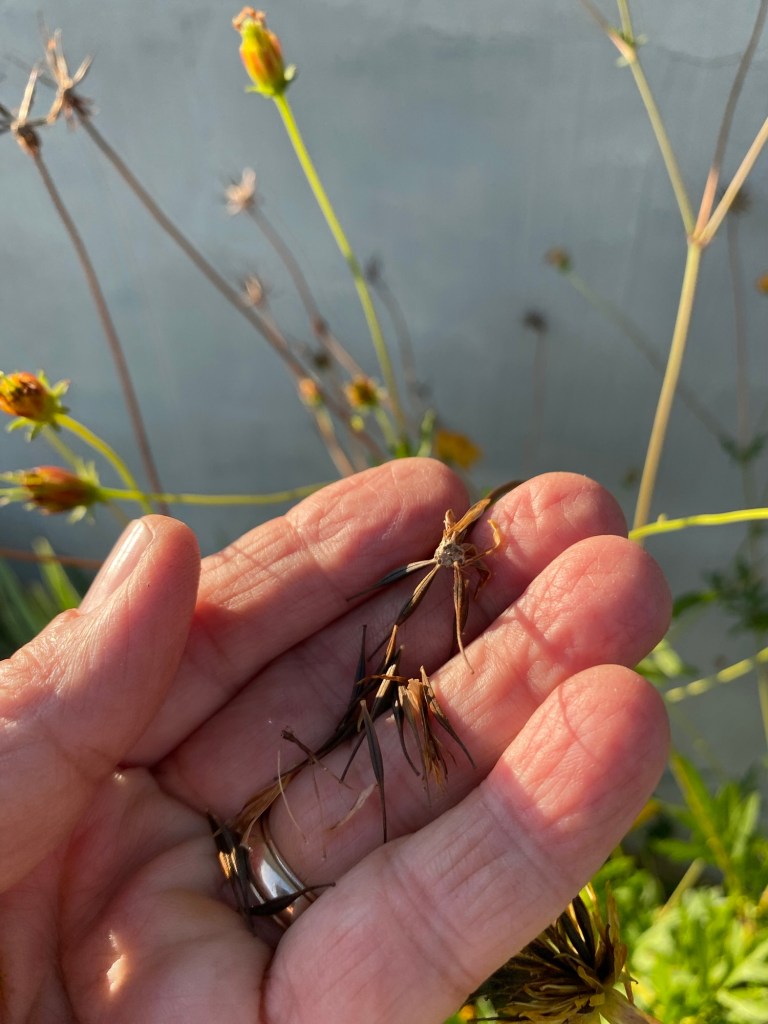
Coreopsis are just as easy.
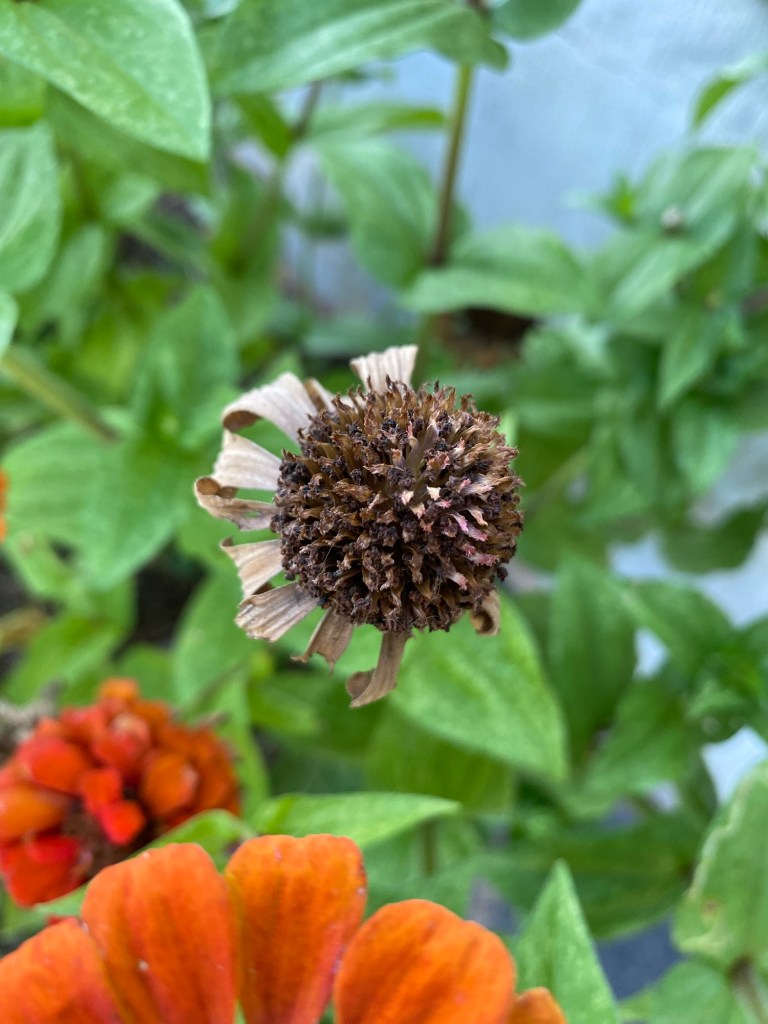
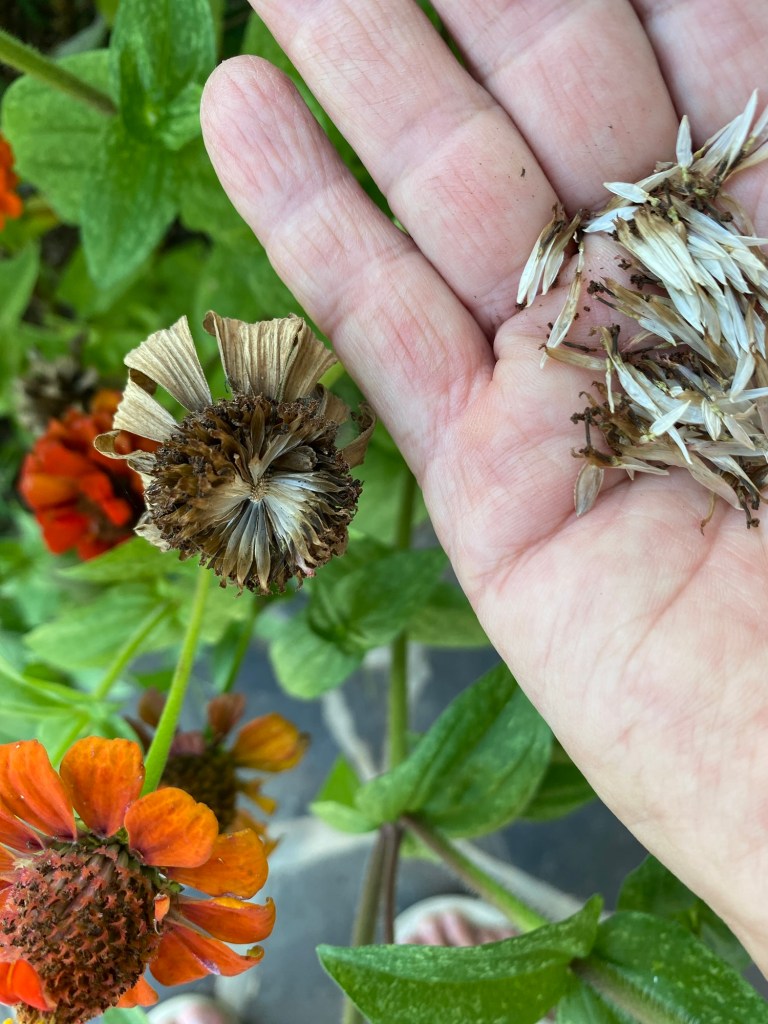
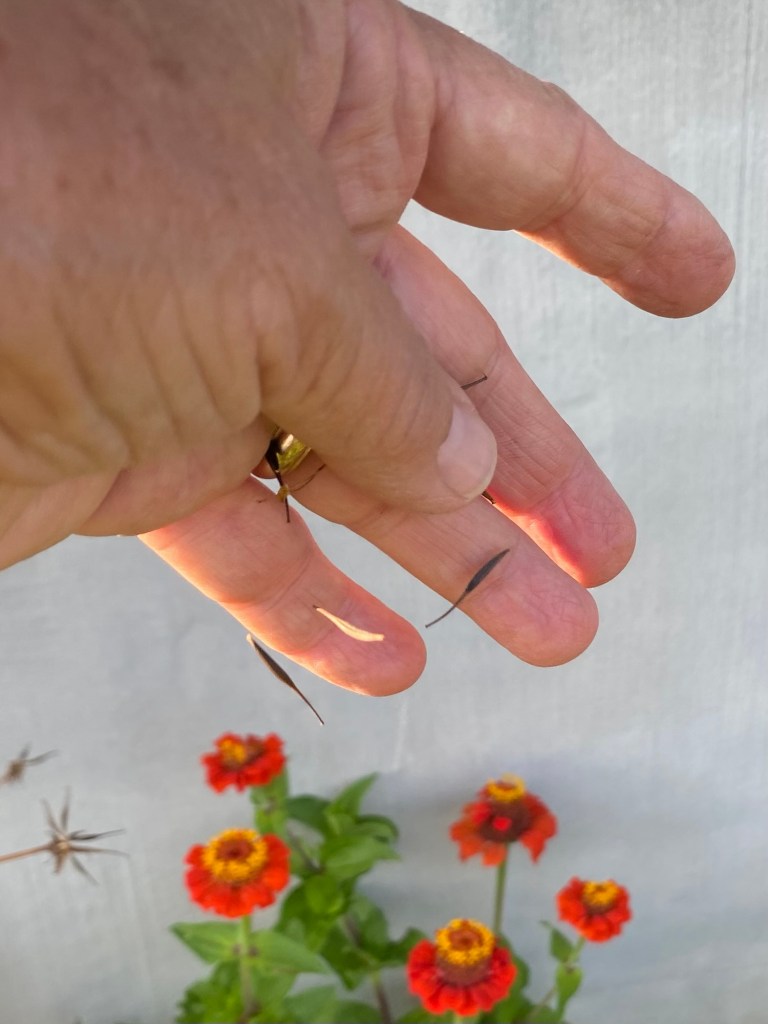
It is important to allow the seed head to completely dry on its stem.Seeds come right off when dried.Simply dropping seed back in flower bed.
Truly, I have success with sprinkling the seed simply back in the bed. They will winter over and produce next season. I also put some in a marked envelope, save for next season or share with friends.
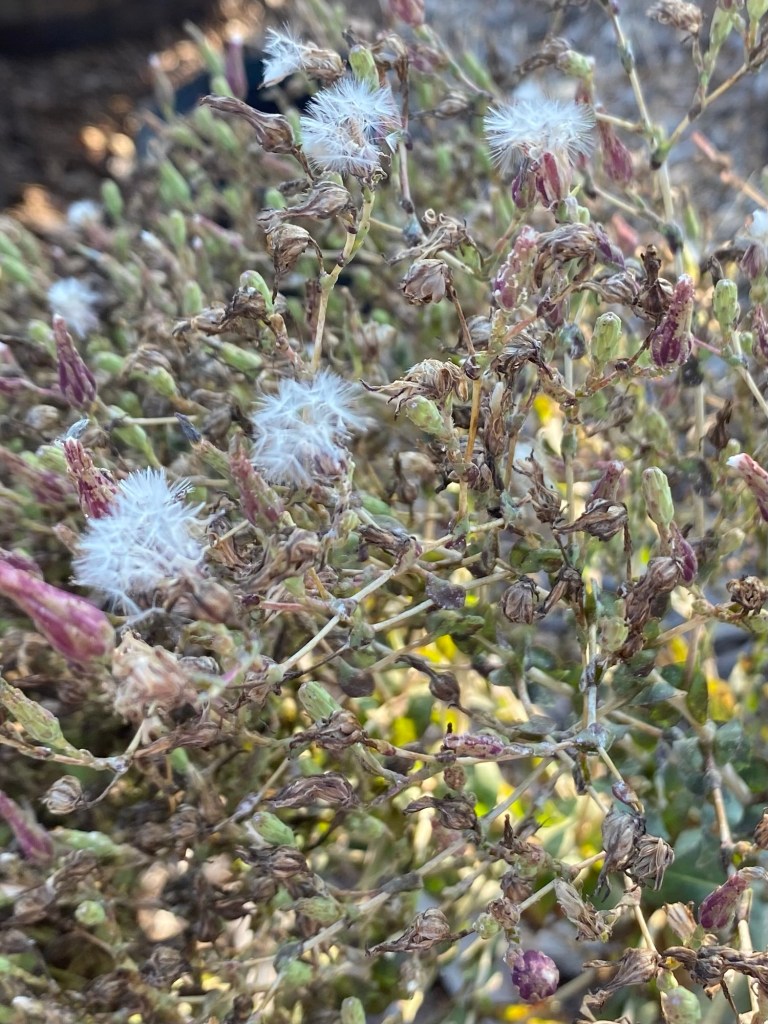
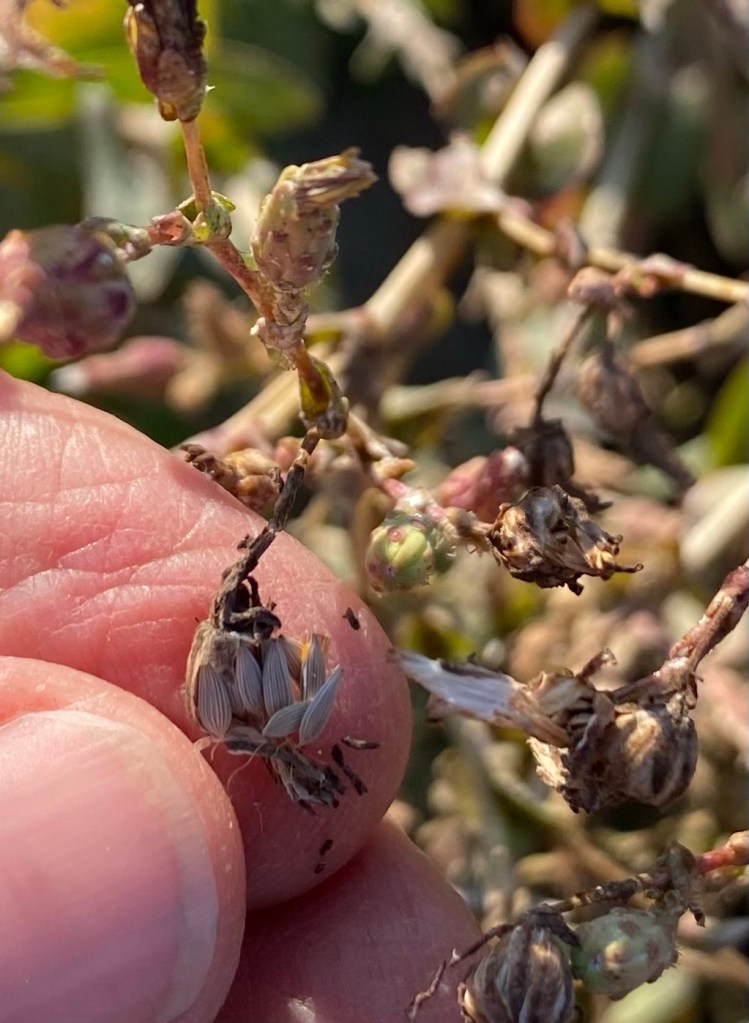
Lettuce gone to seed.See the tiny lettuce seeds?
Allowing lettuce to go to seed will produce enough to share with others next season.
Note: Saving vegetable seeds works only with Heirloom plants. Hybrids are not dependable, only purebred seeds.
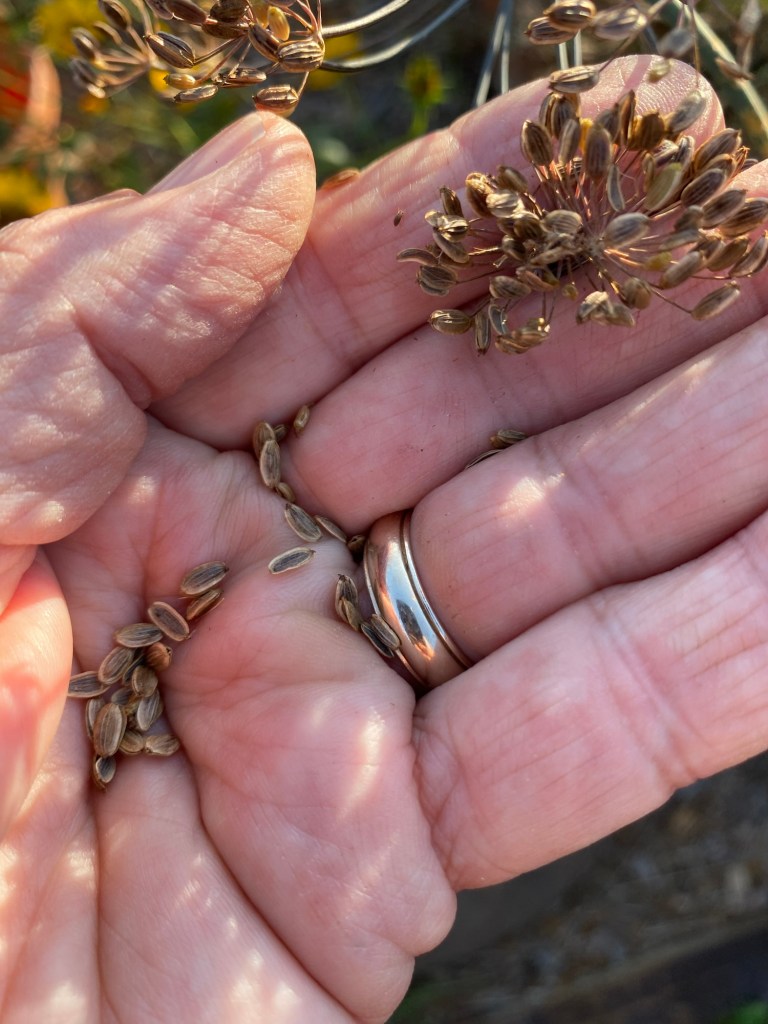
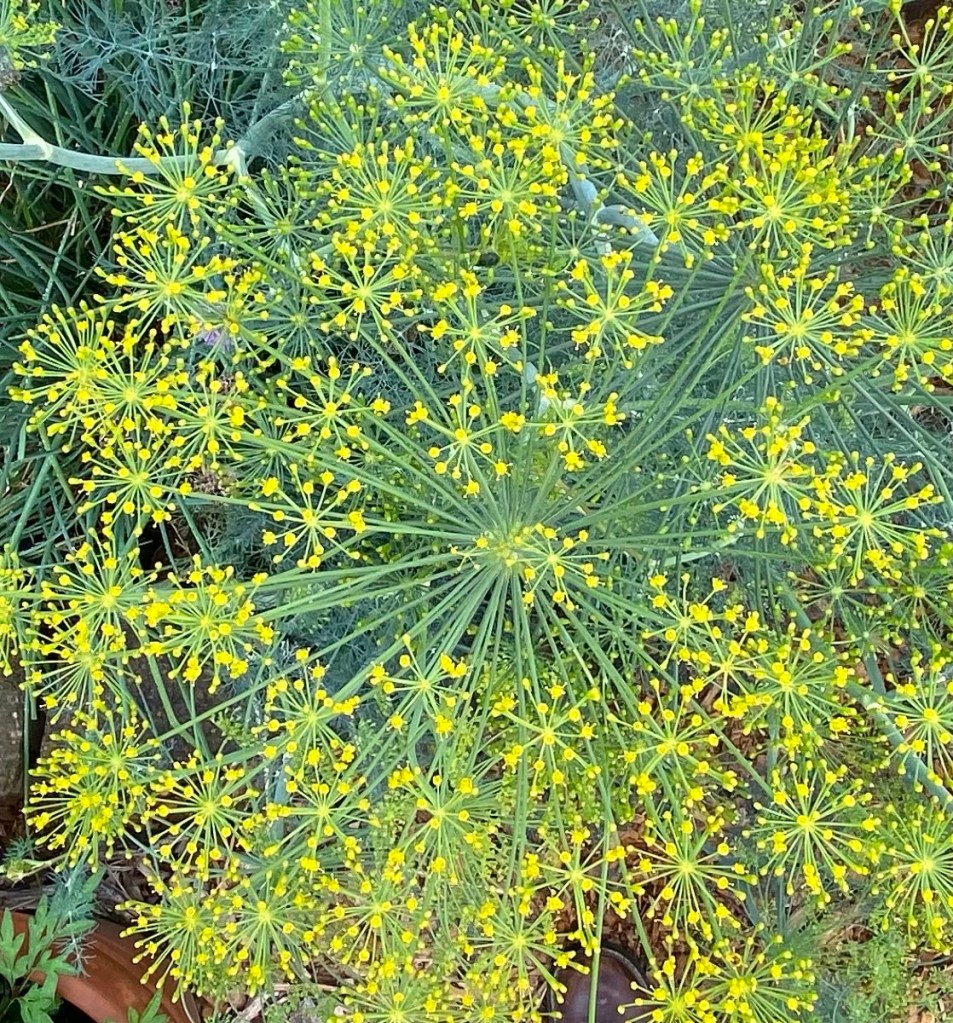
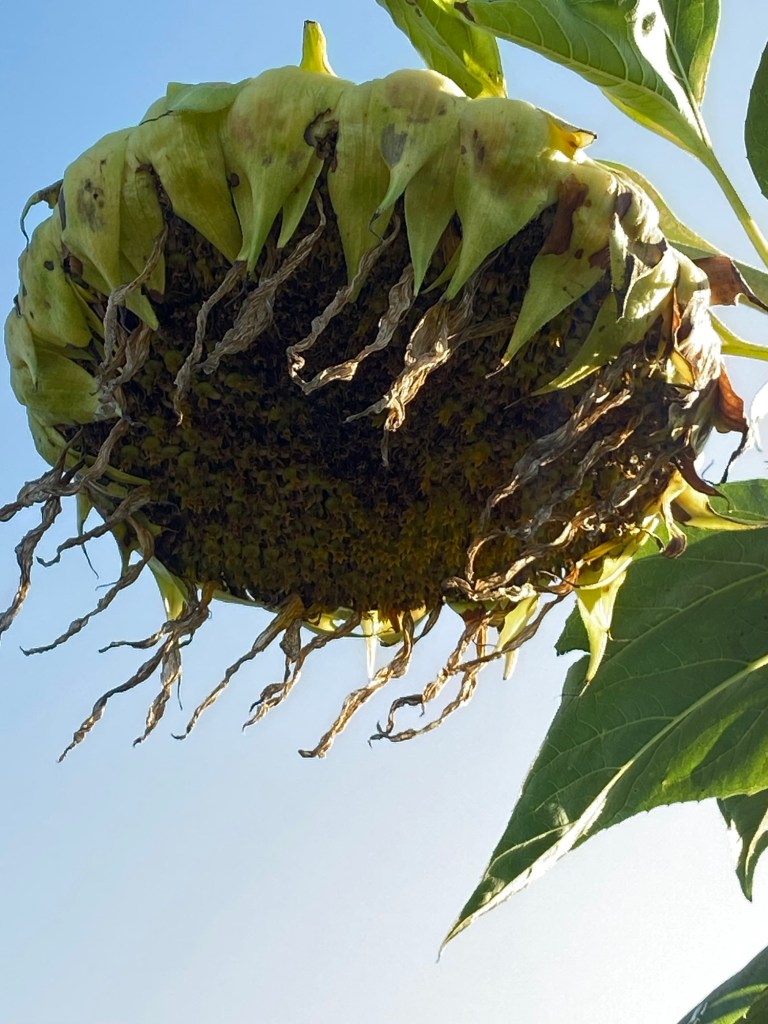
Dill is another easy one.Beautiful flower head of dill.Drying sunflower.
These big, full sunflowers heads dry on their stems. I will cut them, save some seed and leave the flower head in the garden for birds. It is fun watching the Goldfinches eat from them.
There is much joy in sharing too. Would you like some? Let me know. I would be happy to mail some for your garden!
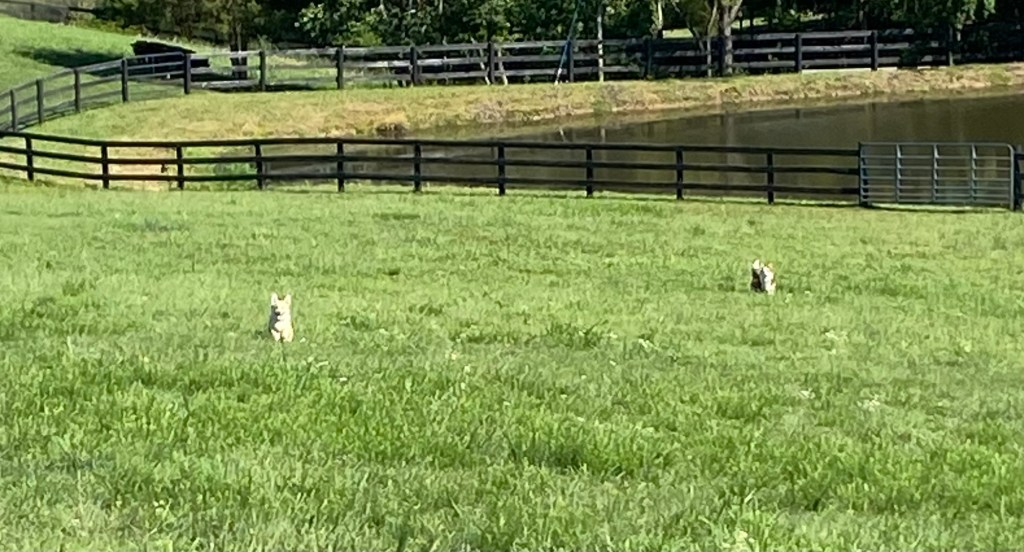
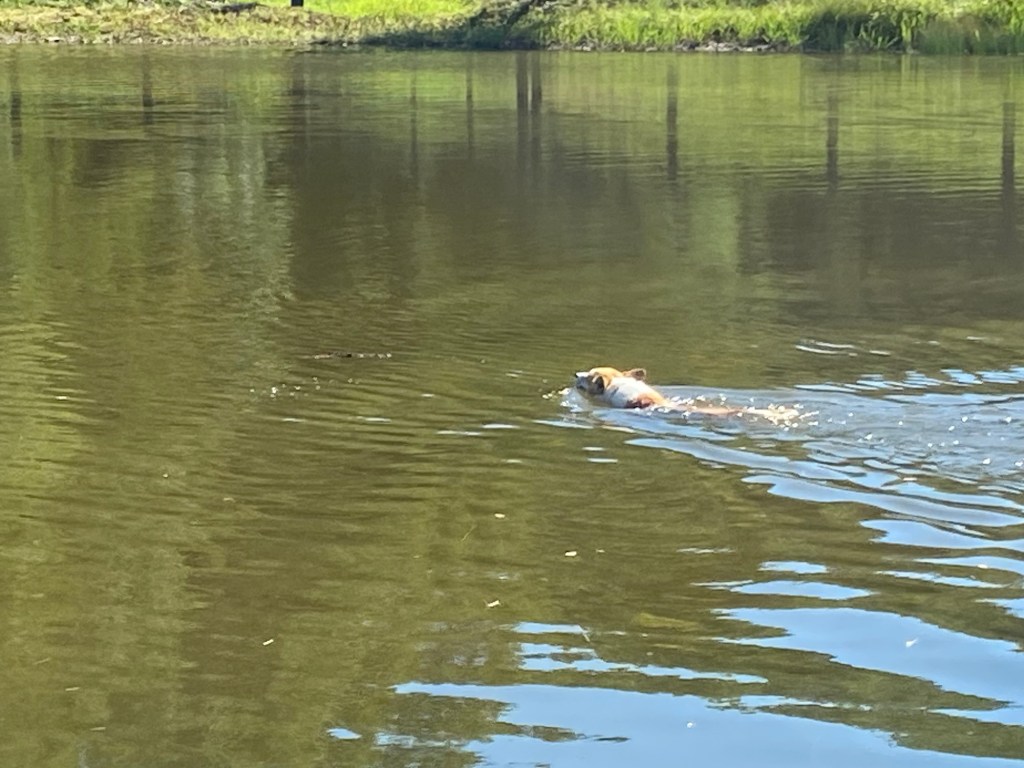
This question gets our corgis all excited for they know it means swimming! Boy, do they like swimming! Apparently not all corgis do, but HoneyPie and Buster are all about it.
When HoneyPie was a puppy she would jump into the stock tanks. Good sign that she liked water.
HoneyPie’s puppy pool—the stock tank!
Buster being two years younger than HoneyPie is no less exuberant.
I am grateful for their joy of water. Corgis are active dogs. Swimming sure helps get energy out and offers great exercise.
Walking before me to the pond, they both turn around to check I am still coming.
We start slowly at the first of our swimming days. Cold months with no swimming means we must pace the dogs until their stamina is built up.
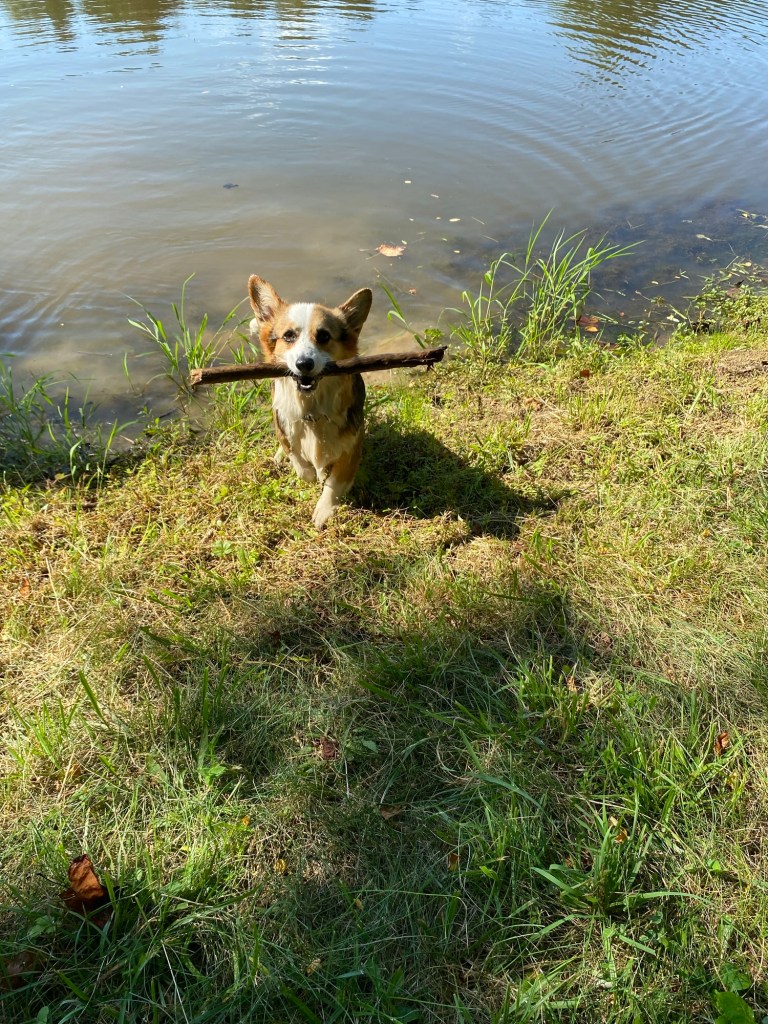
Buster goes full-steam ahead on retrieving. HoneyPie and her big dive.
Looking for sticks, the right stick is a job. Once I tossed a stick in for HoneyPie and it sank!!? I realized the value of another one close at hand. She went after that one. Thank goodness, as I am not sure how long they would look, and tire themselves out.
Sometimes they are anticipating the wrong direction a stick is thrown and jump in before they see it hit the water. This puts them on a wrong path. I have learned to throw a stone in near the stick that grabs their attention and puts them on the correct path.
The stick caddy.
Well exercised dogs are happier dogs which makes for happy owners out here on our farm!
Water reflecting on the leaves is pretty.Let’s go again says HoneyPie.Buster on track.
Do you purchase these kitchen wall calendars anymore? Do you remember when they used to be made of linen, now made of cotton. I still like them. Do you?
I am a docent at the oldest home in Winchester, VA, Abram’s Delight Museum. It is a beautifully built limestone home constructed in 1754. Please come take a tour should you be in our town. To step back in time and walk through this lovely, well-built home gives visitors a true glimpse and feel for the arduous life of our frontier folk who fought hardships we have never seen the likes of. It is very nearly embarrassing the lack of knowledge and know-how we no longer possess.
As a docent, it is surprising how little of our own country’s history people know. I have heard some astonishing statements in regards to historical fact.
One of the most astounding is that Native Americans taught the white man how to ride horses!
Obviously whoever made that silly statement does not know history.
Here is the truth: Horses were not indigenous to America.
Horses were not in America.
I know there is “new” evidence of horses being here, oh around 20 million years ago and then became “extinct” 11 million years ago.” Really? Who was ever around to record that “history?”
For years all school children knew this fact because they read Misty of Chincoteague. They knew horses were brought over by the Spanish explorers.
Mans great advancements in conquering the world are in debt to the horse.
Even if this far-fetched idea was reality, American Indians, never saw or used horses before Spanish explorers brought them over. In fact, they used dogs. They fashioned a travois (as the French called them) for dogs. Dogs did the work for them.
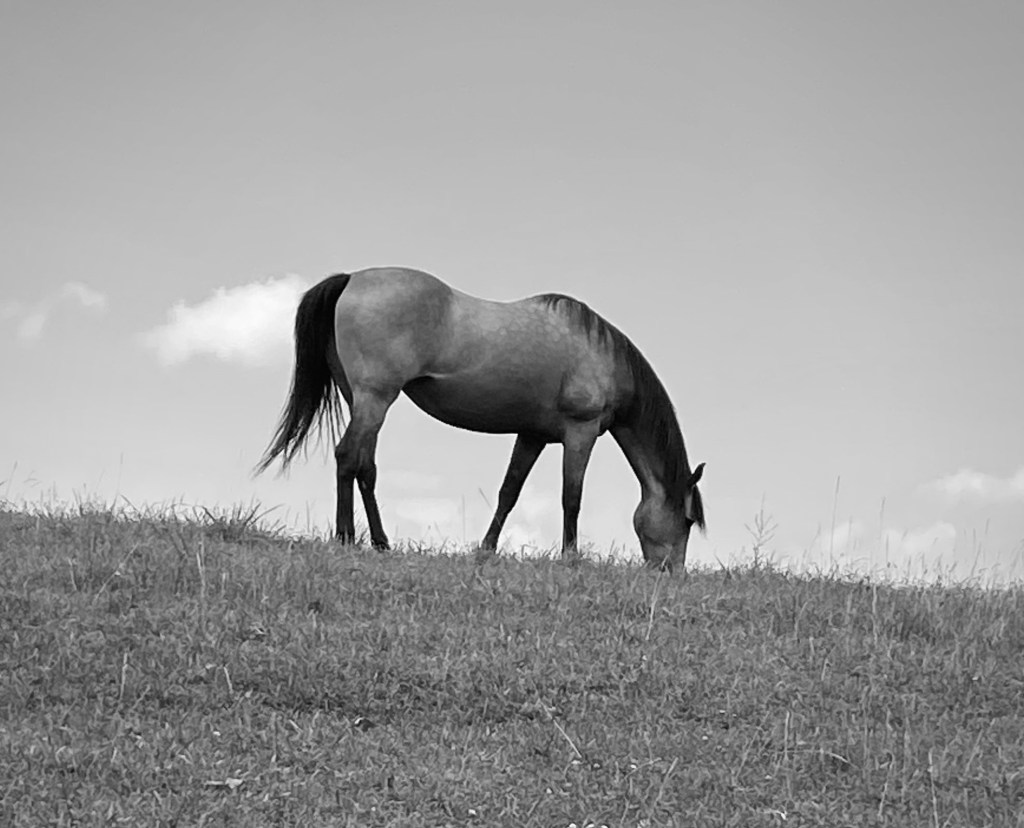
Taken from Internet.Wild horses roam the plains now, but they are descendants from the Spanish horses.
The Indians quickly learned the immense value of the horse. Stealing horses was very common in our country back then. Do you know horse thieves could be hanged for stealing them? So valuable were they to mankind.
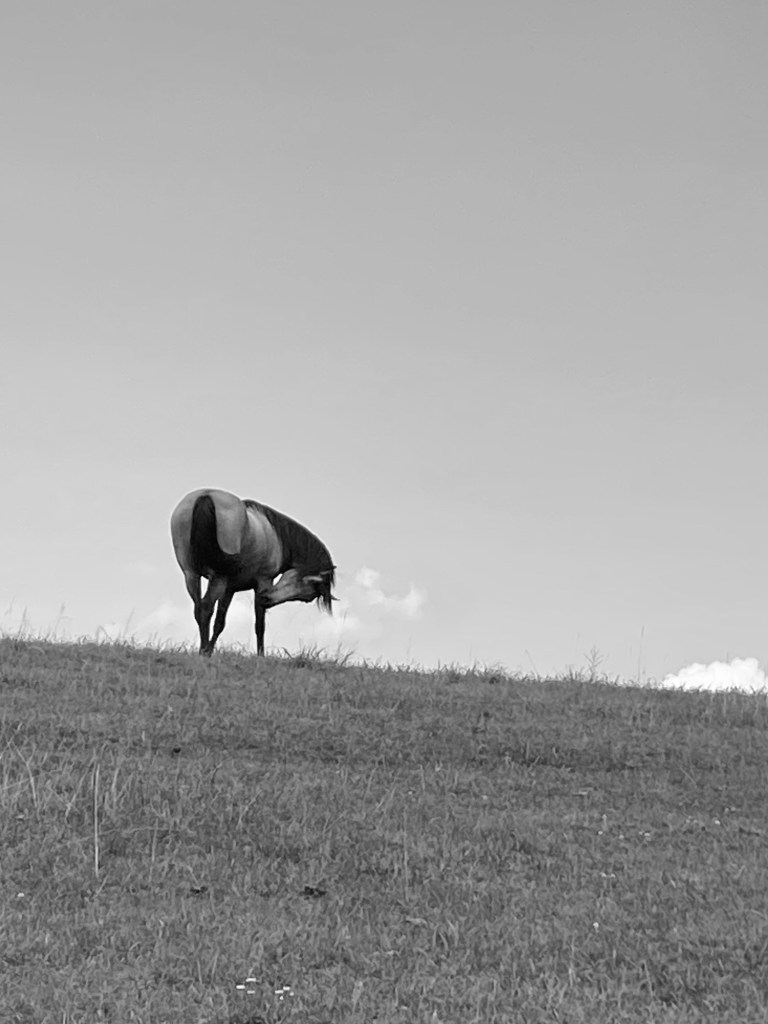
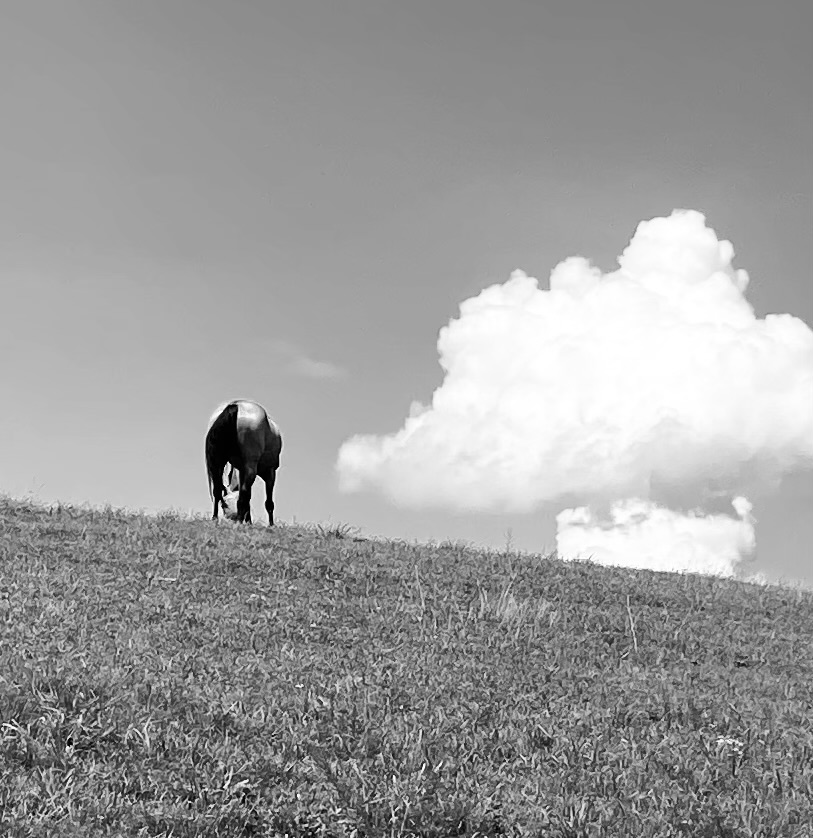
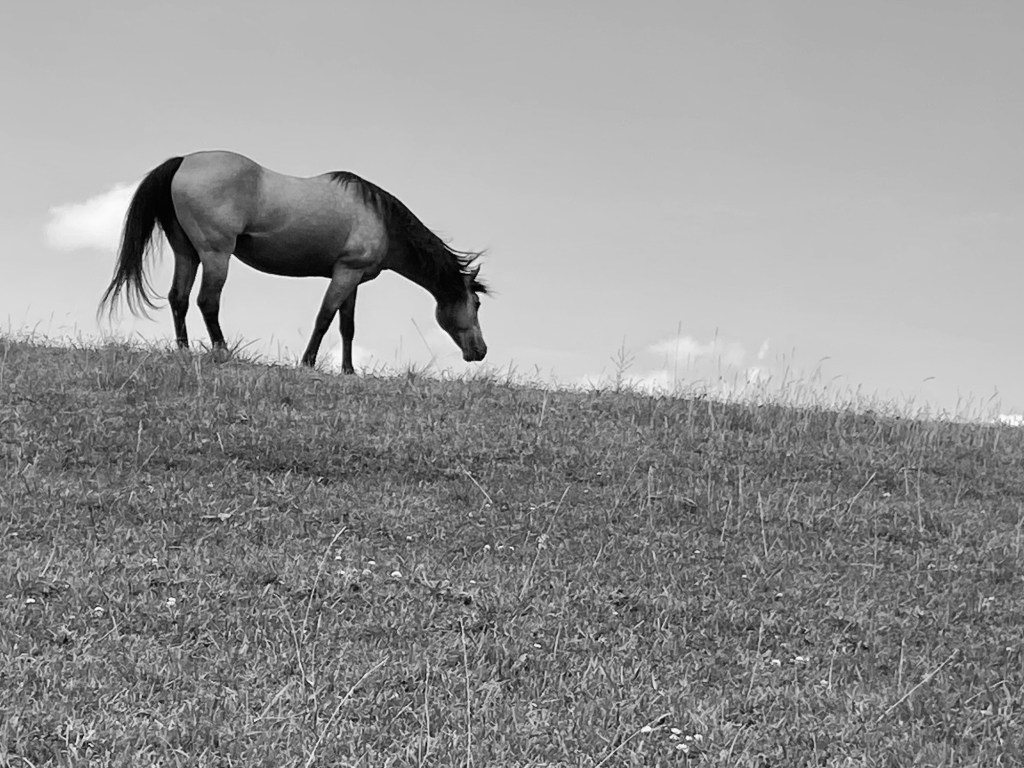
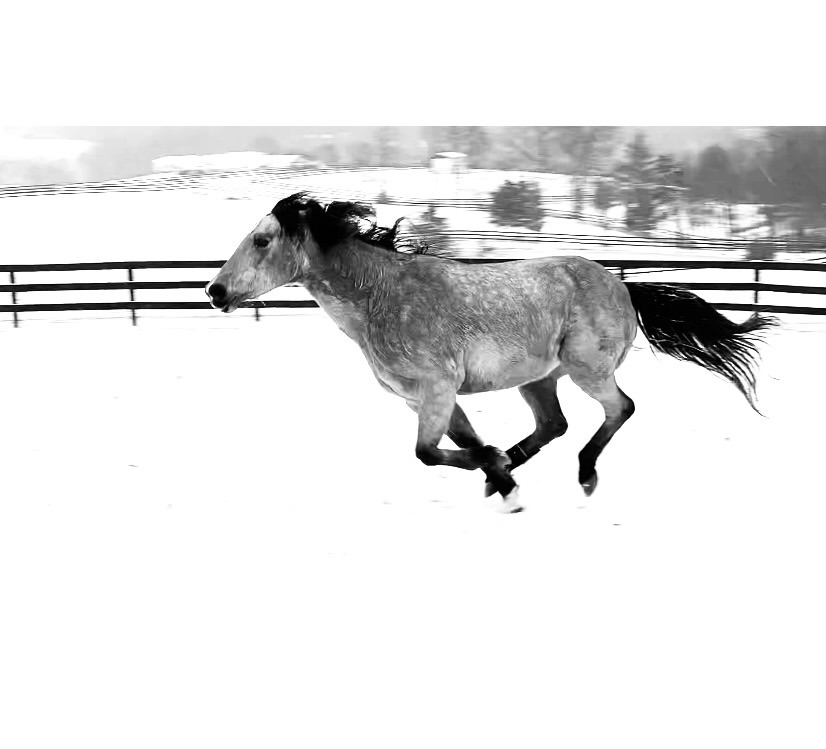
There are many beneficial things the Indians taught the white man, but nothing to do with horses. Mankind truly owes more to the horse than horse to mankind. Thank God for the horse.
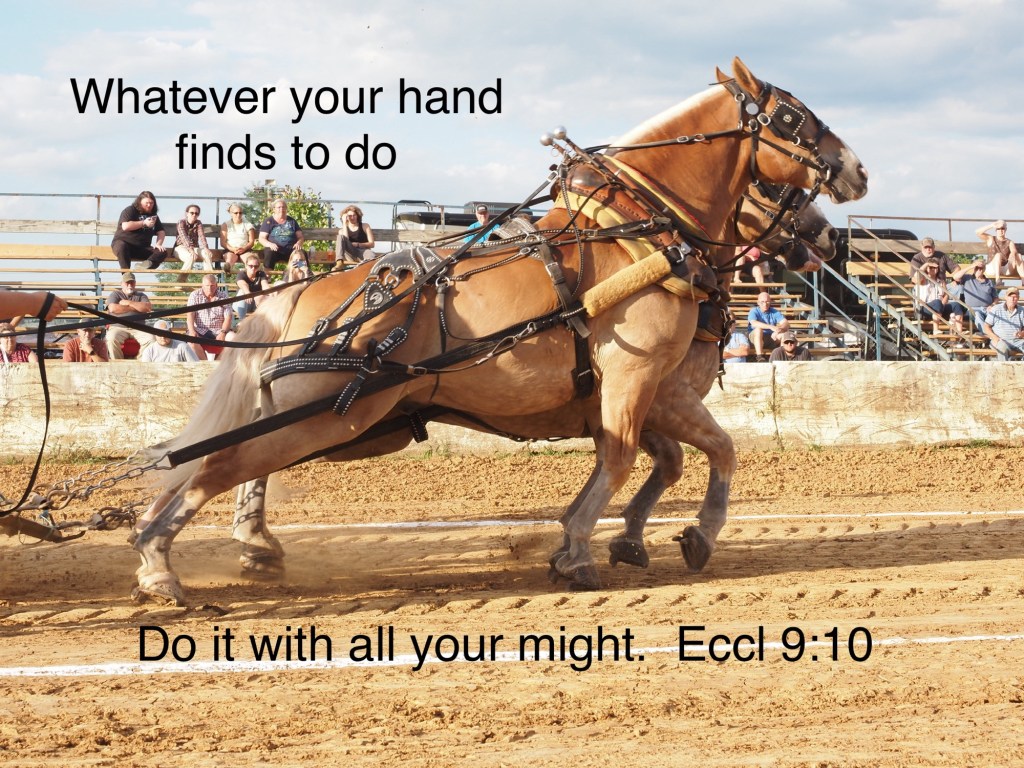
Horses were of huge value to mankind.
History, accurate and true history, is important. Nothing beats visiting real historic places and reading good history books.








 one_local_gal