Brought Over

I am a docent at the oldest home in Winchester, VA, Abram’s Delight Museum. It is a beautifully built limestone home constructed in 1754. Please come take a tour should you be in our town. To step back in time and walk through this lovely, well-built home gives visitors a true glimpse and feel for the arduous life of our frontier folk. Those determined people who fought hardships we have never seen the likes of. It is very nearly embarrassing the lack of knowledge and know-how we no longer possess.

As a docent, it is surprising how little of our own country’s history people know. I have heard some astonishing statements in regards to historical fact.

One of the most astounding is that Native Americans taught the white man how to ride horses!

Obviously whoever made that silly statement does not know history.

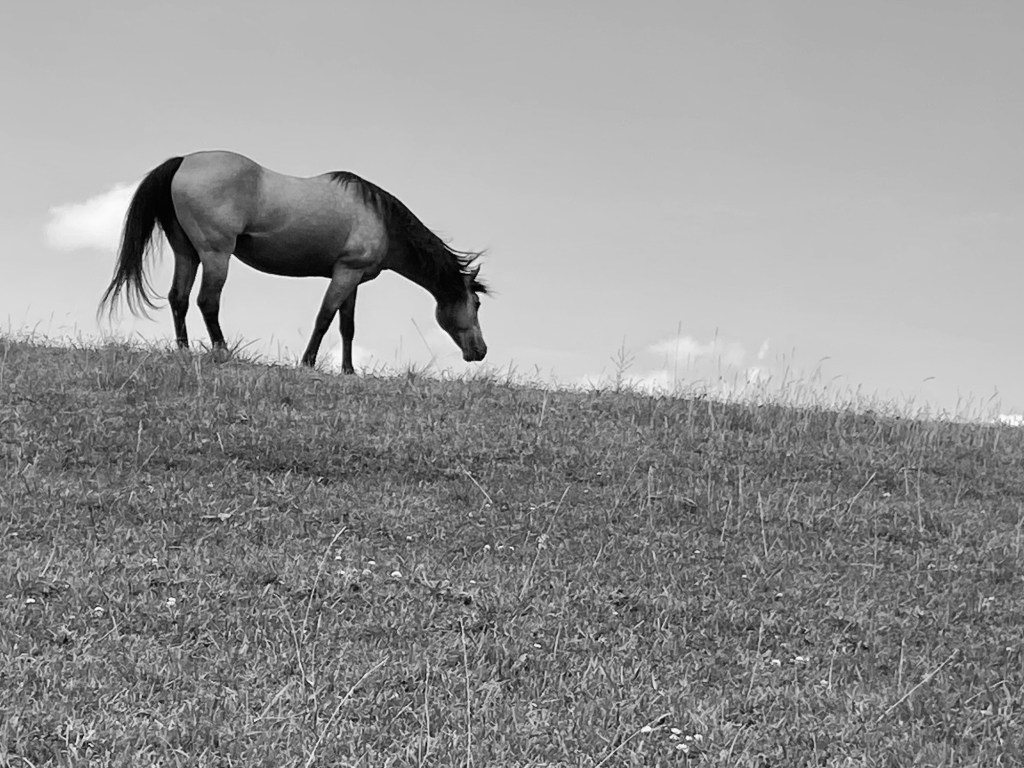
Here is the truth: Horses were not indigenous to America.
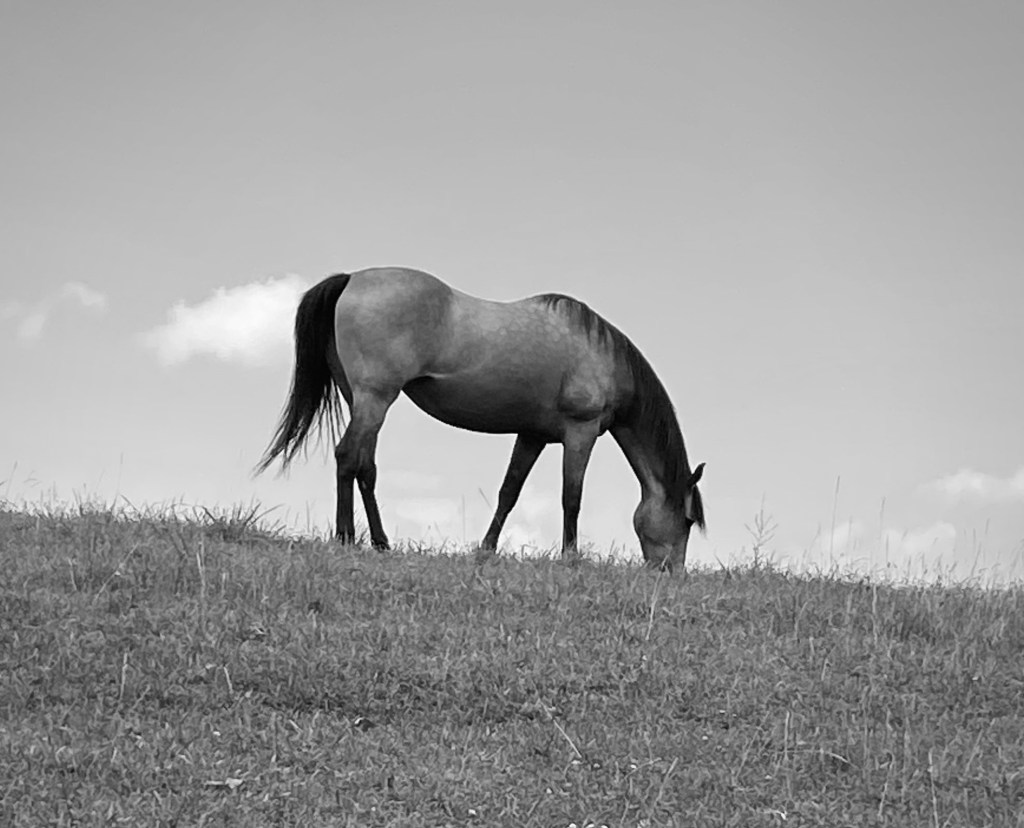
Horses were not in America.

I know there is “new” evidence of horses being here, oh around 20 million years ago and then became “extinct” 11 million years ago.” Really? Who was ever around to record that “history?”

For years all school children knew this fact because they read Misty of Chincoteague. They knew horses were brought over by the Spanish explorers.
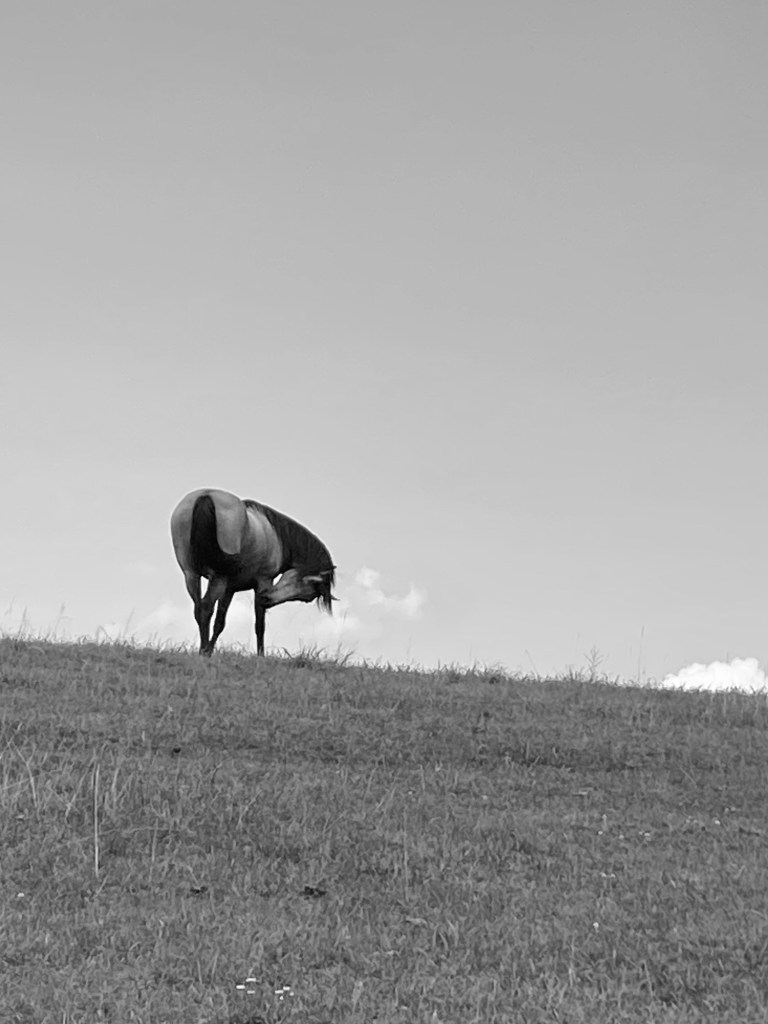
Mans great advancements in conquering the world are in debt to the horse.

Even if this far-fetched idea was reality, American Indians, never saw or used horses before Spanish explorers brought them over. In fact, they used dogs. They fashioned a travois (as the French called them) for dogs. Dogs did the work for them.

Taken from Internet.
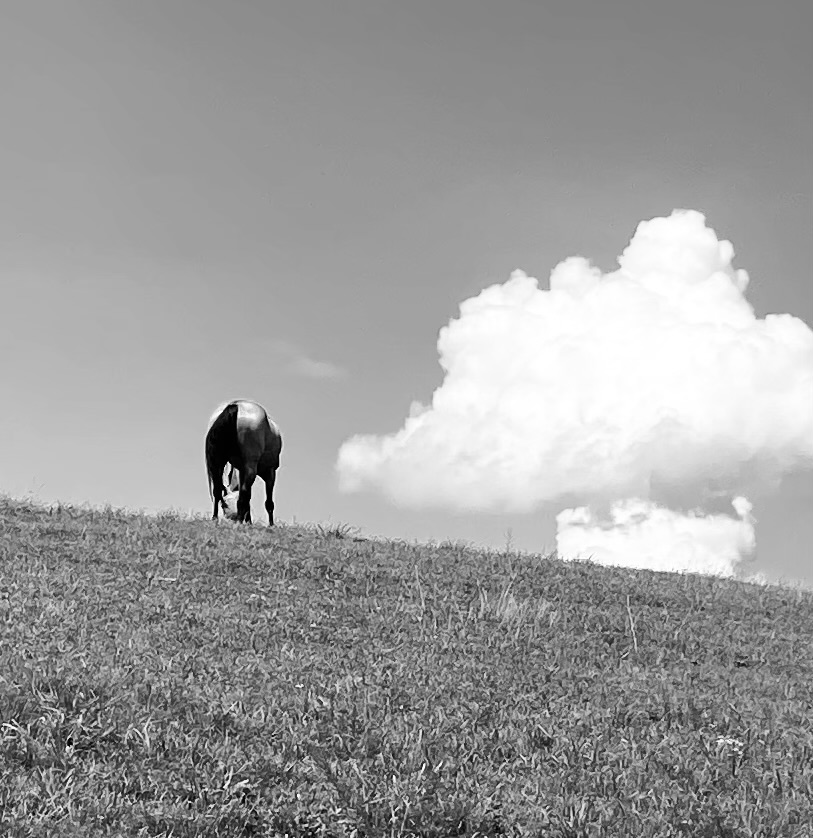
Wild horses roam the plains now, but they are descendants from the Spanish horses.

The Indians quickly learned the immense value of the horse. Stealing horses was very common in our country back then. Do you know horse thieves could be hung for stealing them? So valuable were they to mankind.

Horses were of huge value to mankind.

There are many beneficial things the Indians taught the white man, but nothing to do with horses. Mankind truly owes more to the horse than horse to mankind. Thank God for the horse.
History, accurate and true history, is important. Nothing beats visiting real historic places and reading good history books.
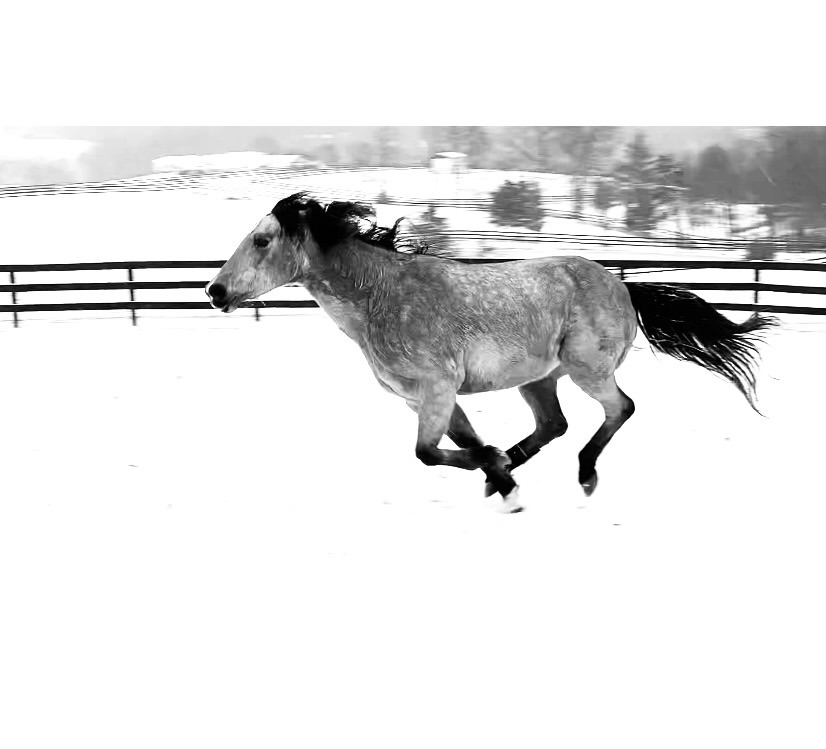
Look back at our struggle for freedom,

Trace our present day strength to its source,

And you’ll find that man’s pathway to glory,

Is strewn with the bones of a horse.

——–Unknown
You want Me to do What?

Have you ever been asked to perform a job you felt was far beyond your ability or know how?

If so, you might relate to the way I felt when my boss asked if I would clean up the three Civil War saddles in our Stonewall Jackson Museum.

A cold shiver passed through me. Museum saddles from the Civil War? I have never even dared to touch one in that beautiful museum, never-mind the thought of cleaning one!

Certainly working ten years as a docent did not qualify me for this task. However, I am a horsewoman. I have cleaned my own tack hundreds of times over the years and been inside many harness shops talking to and learning from the men. But, as they say, “That’s a horse of a different color!” My tack is not on display nor full of historic value.

“You know about saddles, Mitzy. They need attention.” Her confidence surely was greater than mine.

May I tell you how my mind started churning? Like the little gizmo on the computer when it is ‘thinking’, so turned my mind. What do they need? Do I have the proper supplies? How can I be sure I won’t damage them?

The tote bag was full of every leather cleaning product I own along with several white cotton cloths. Some for clearing away dust, others for oiling. As I mounted the stairs to the second floor where the saddles were on display, past conversations with harness/leather men over the years flooded my mind.

There they were, beautifully displayed in this fine museum. Setting the supplies down, I gazed at these wonderful pieces of American history. Plaques on each display told their story.

After examining them, I decided the best thing was Neatsfoot oil. Like my hands in winter the leather was dry and cracked. Obviously soap cleaning was out of the question. These saddles needed oil. Some areas were dry-rotted. This means it is beyond repair.

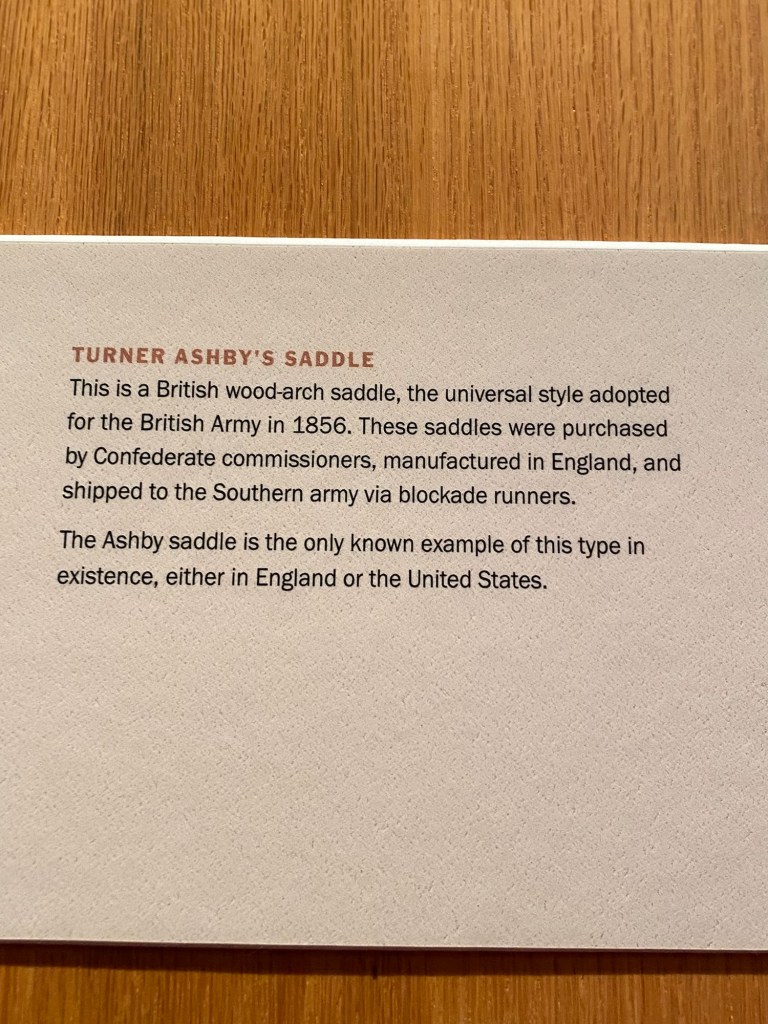
I began with the one that appeared in best shape. It was Turner Ashby’s saddle.

Did you read that last sentence? Only known example of this type in existence?
Turner Ashby’s saddle. It is beautiful.

Gently, gently did I apply oil and wiped softly with the cotton cloth on the leather in the seat. The response was an answer to prayer. The leather took it beautifully! A peek on the underneath revealed mold. Mold on leather is like rust on a car—deadly. My boss held the saddle up so I could apply oil and remove the mold. Another score!

Feeling a bit more confident, I started on the other two. To my great joy and delight they responded as well.

I do not know how long I was there so full of careful thoughts towards the care of these historic pieces. I do know I can thank the memory of conversations with those smart harness men that knew far more than I. It was as if I could hear them speaking to me, guiding my thoughts and hands.

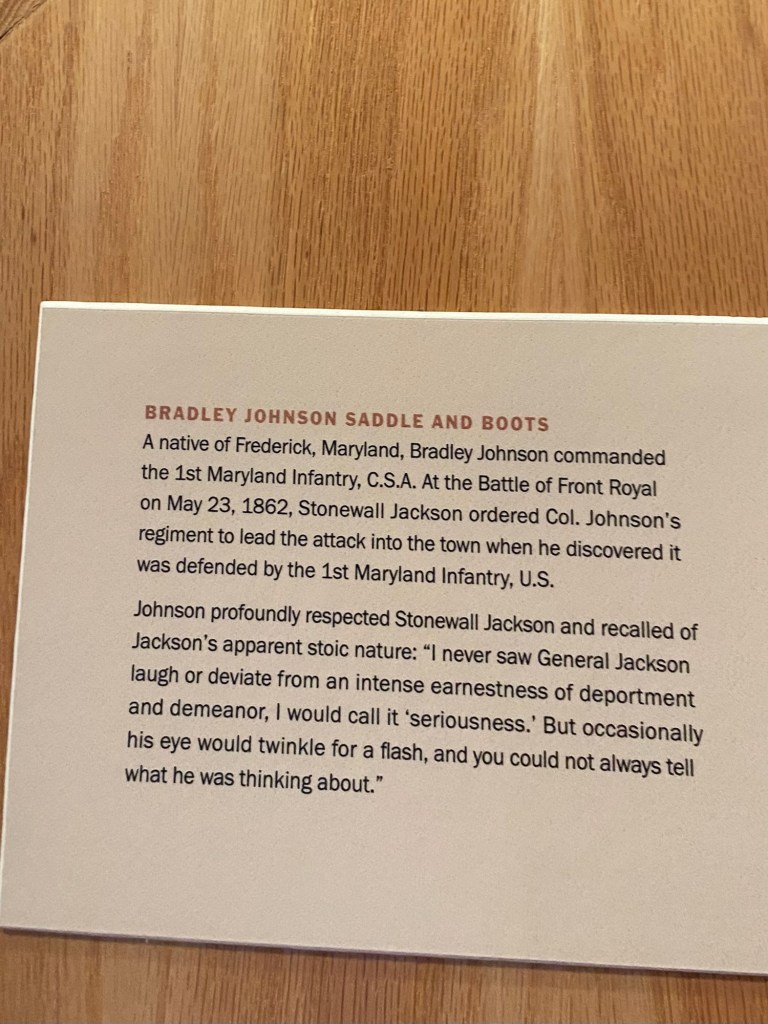
The owner of this amazing saddle.
Bradley Johnson had to have been very proud of this saddle.
This is on the pommel. Gorgeous!

I saved the worse-worn saddle for last. It was pretty well dry-rotted, however, it did respond to the Neatsfoot oil.

The provenance of this one.
See the star on the pommel? Lovely!

Here is a photo of each one after oiling. Are you able to see a difference?

I oiled all of it, leather, wooden tree and metal.
Looks better.
This one was in the worse shape, but still looks better.

If ever in town, take time to visit Stonewall Jackson Museum. You will be glad you did.

Dearborn, Michigan? Why?

I was asked this question recently when I mentioned to someone about my husbands and my upcoming trip to Dearborn, Michigan.

What in the world is there to see?

I did not know, as I have never been. My boss had visited this summer. She knew we were going to a shooters camp nearby and encouraged us to visit The Henry Ford and The Greenfield Village in Dearborn since we were so close.

Looking through the Henry Ford Official Guidebook was intriguing and informative. This museum and Greenfield Village have a fascinating history. Henry Ford never forgot the values he learned from his youthful, rural farm life. He began collecting items from his childhood history along with items related to his hero, Thomas Edison.

His philosophy of “learning to do by doing” and providing hands-on learning opportunities for students, was the vision for The Edison Institute of Technology. So named in honor of his friend and longtime hero, Thomas Edison. Both the Museum and Village opened to the public in June 1933.

Adding collections to both places until his death in 1947 made his the largest in size and scope of American past. It is known today as the Henry Ford Museum of American Innovation.

The front of the large museum is a replica of Philadelphia’s Independence Hall. The perfect front for his museum that too represents American freedom and democracy.

I’m going to start up a museum and give people a true picture of the development of the country” —Henry Ford

Boy did he! I was excited to go see in person those items I had found in the guidebook. And even though the photography is great in the book it cannot compare to seeing these collections in person.

A full day is not enough time to see and think about these items that made our country, but it is a good start. We never made it to the Greenfield Village as it is closed to public on Monday & Tuesdays.

So, what is there to do in Dearborn, Michigan? I will know how to answer that question next time around.

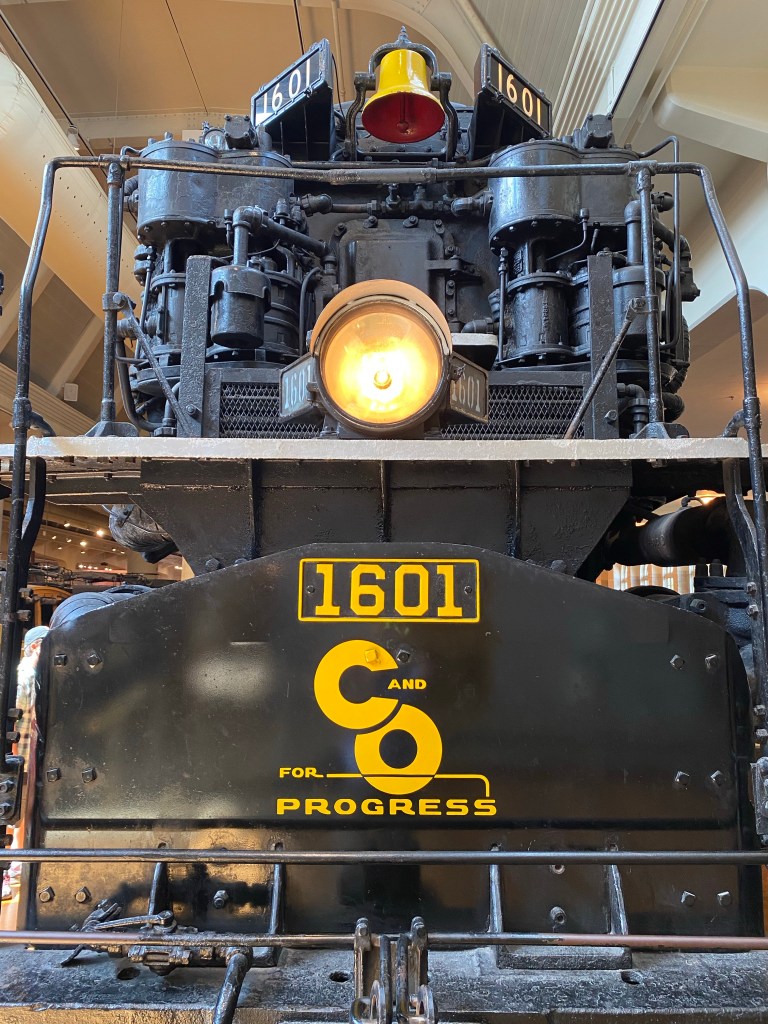
Alleghany Steam Locomotive 1941. The most photographed item in the museum. Weight: 389 tons!
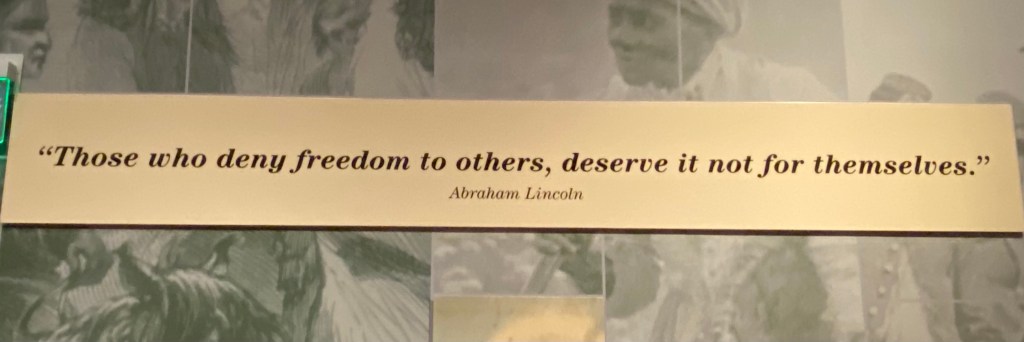
Quote from A. Lincoln
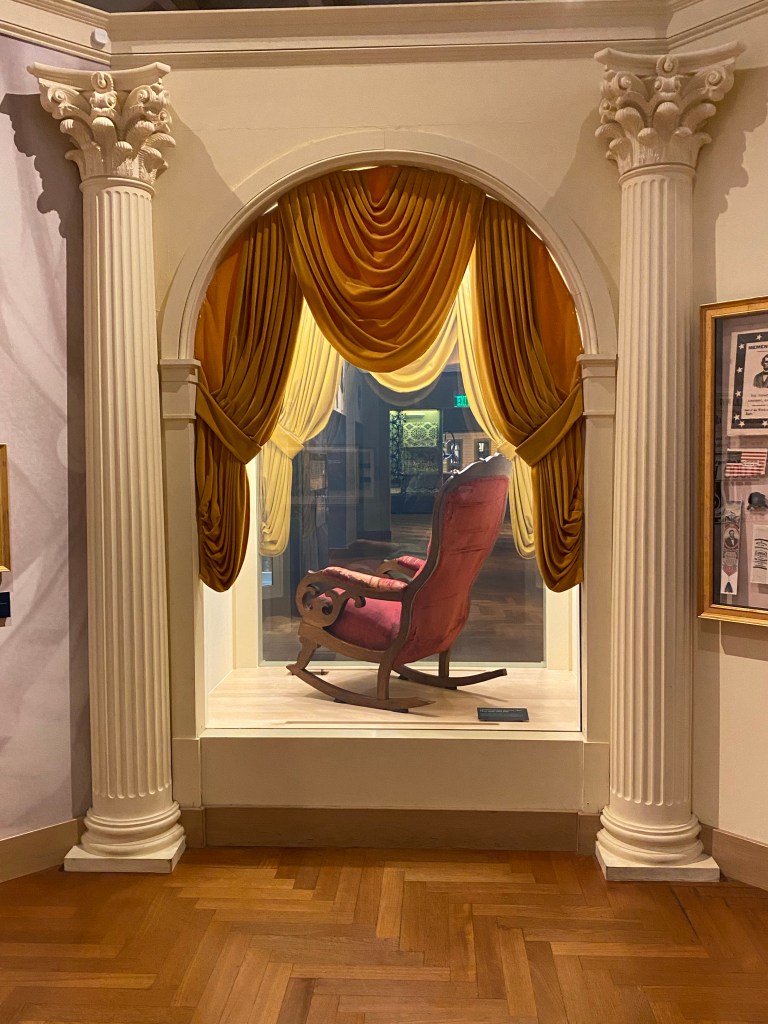
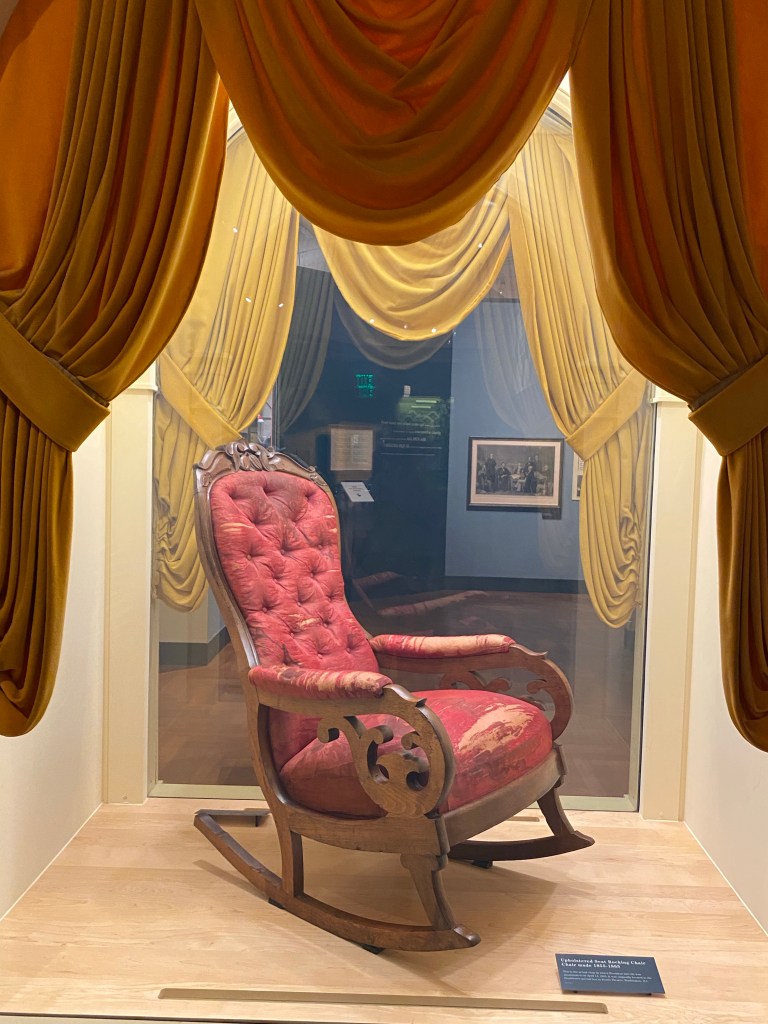
The very chair Lincoln was shot in.
It is blood-stained…
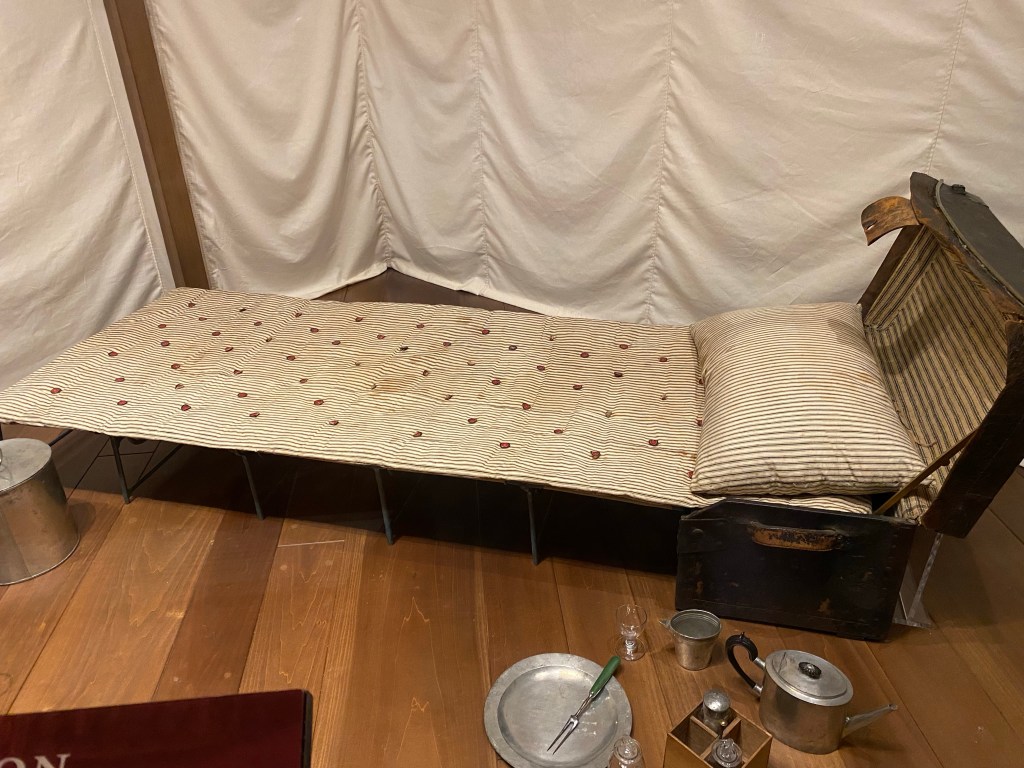
George Washington’s camp bed.
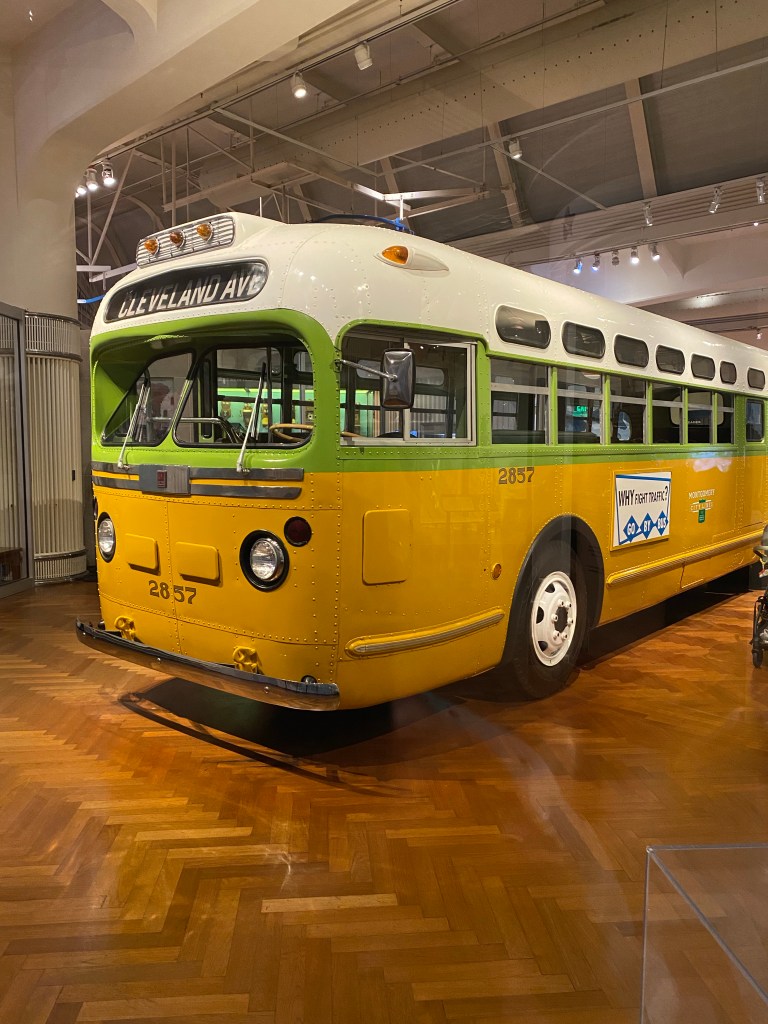
The bus Rosa Parks was on the day she refused to give up her seat…
Arrow points to seat she was sitting in when she refused to move.
Listening to her describe this event was moving. To be in that same bus was astonishing.
The very limousine President Kennedy was assassinated in.

Seeing these bits of history that hold such stories of our America is profound.

There is something of interest for everyone.
Remember this famous Hudson?
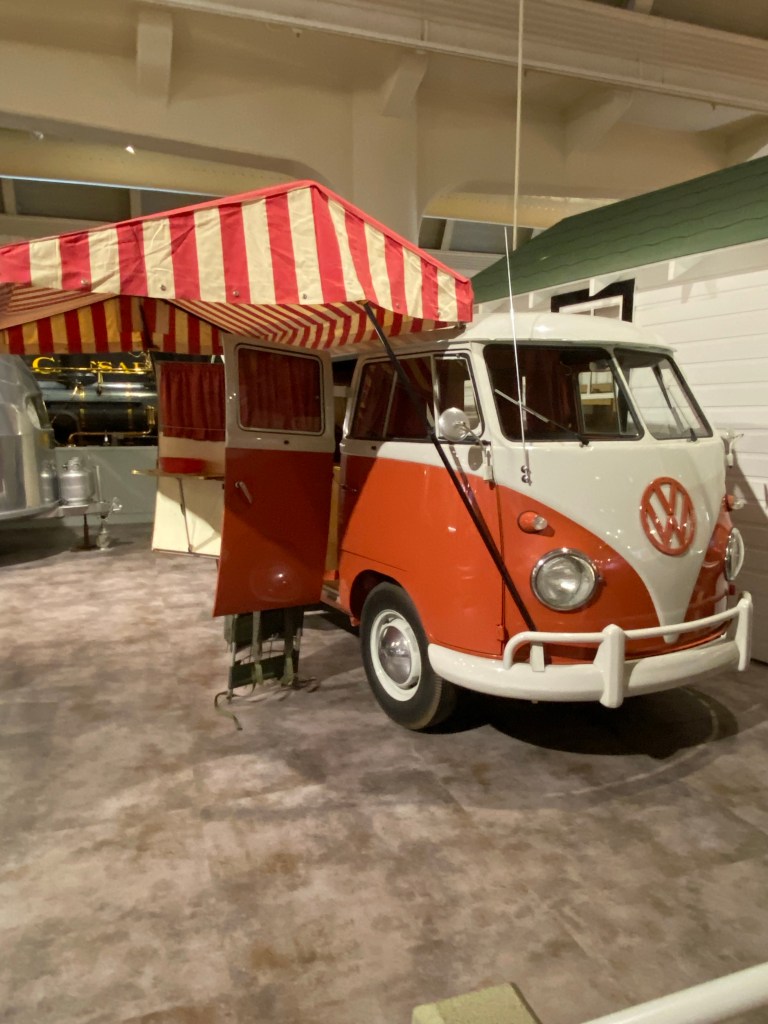
So much on display!

This post cannot even touch what was in that museum. Go visit! You will be glad you did.