No to T-Bone, Hamburger or Sirloin

We are small-time farmers. We have heard it said ‘go big or go home.’ So what? We do not care what ‘they’ say. Our little farm is big enough for us. Sometimes it feels like a thousand acres.

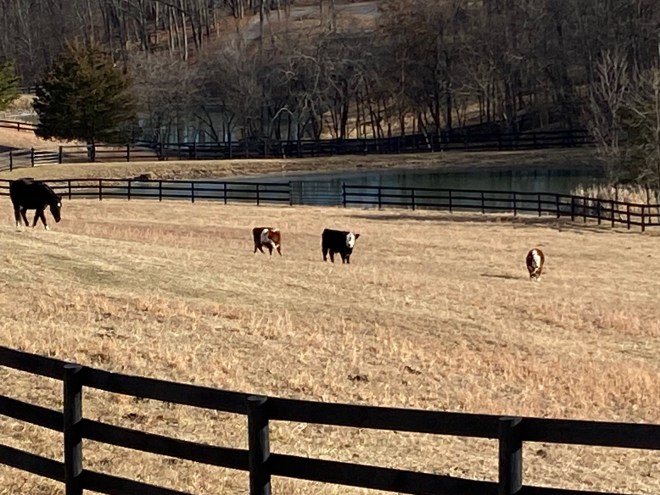
It is big enough to handle three miniature beef steers, and four horses. Two of which are miniature the other two are full-size horses.

We always purchase three. One is kept for our freezer. The other two are sold to customers who are looking for well-raised, grass-fed, premium beef. Our customers tell us it is the best beef they have ever had. Five-star beef.

It is satisfying and comforting to know how well our little cows have lived before, as I say, “They have one bad day in their life.” It is hard when their time has come. We do that as gently as possible.

We have been thanked for raising these little steers in an environment that is healthy and caring to them.

What we do not do is name them those “funny”, thoughtless names such as, ‘Sirloin’, ‘T-bone’, or ‘Hamburger’. It is hard enough knowing their ultimate demise. We pick silly, fun names that help make this job of raising them a bit easier.

May I introduce you to some terrific steers we have had over the years?
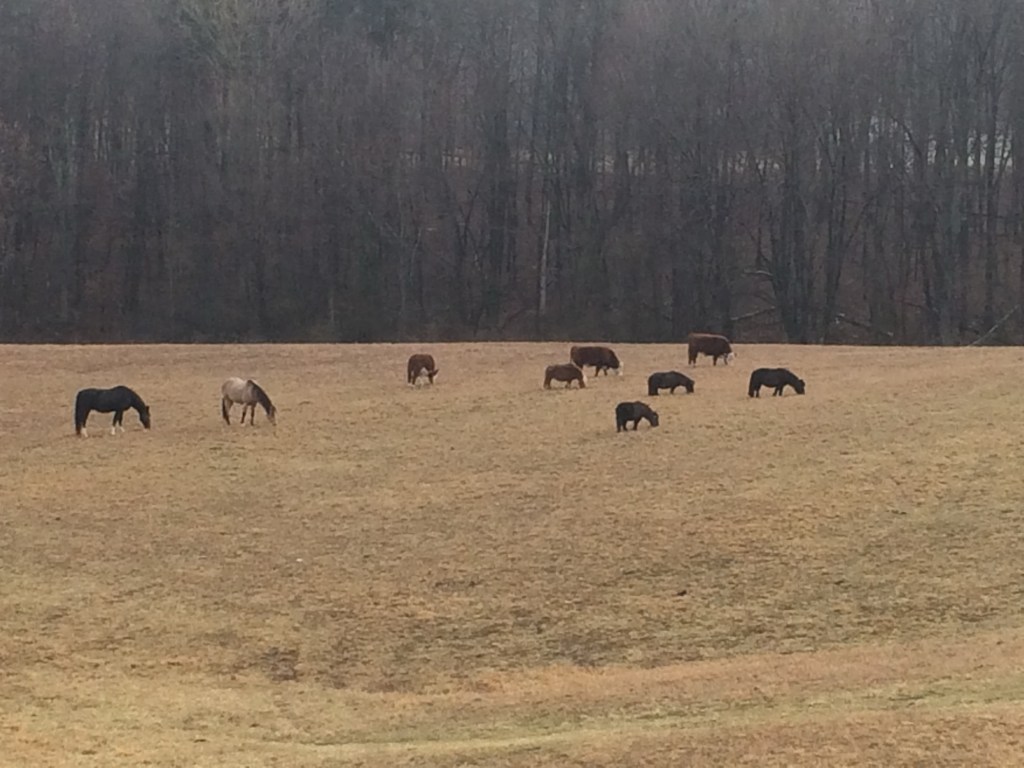
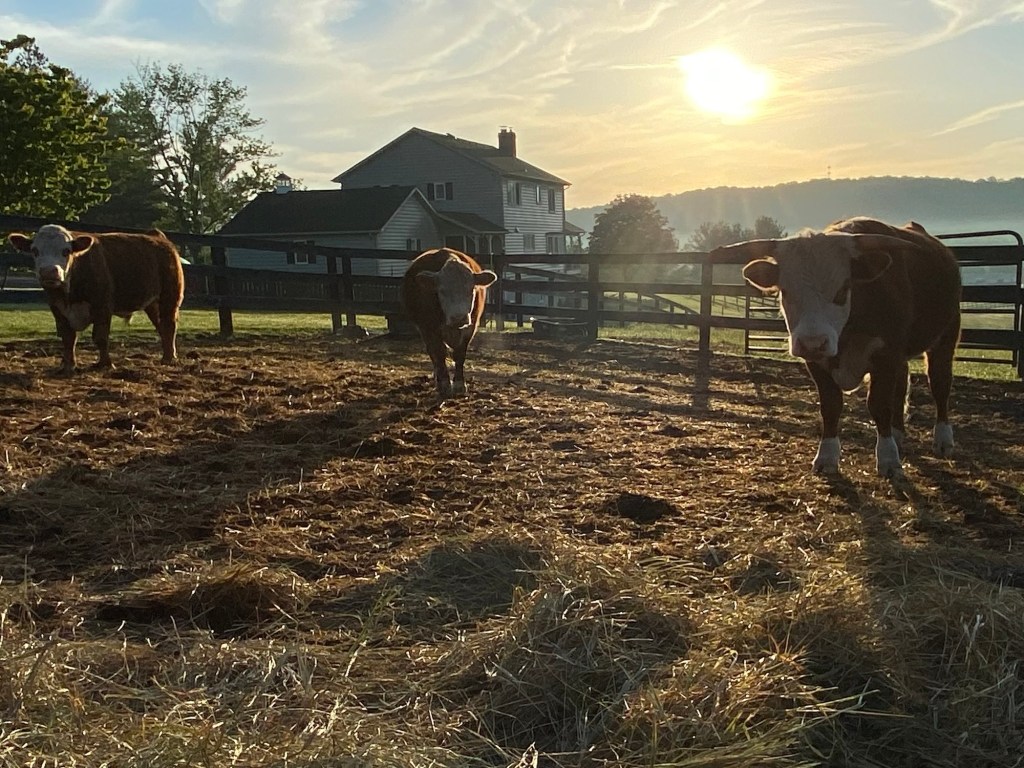
This older photo is when we had four miniature horses. The three steers are in top center of photo. They are Kevin, Bob and Stewart (the three Minions).

We also have had Mario, Luigi and Bowzer.
We do not notice any difference in quality/taste of the beef between Angus or Hereford.
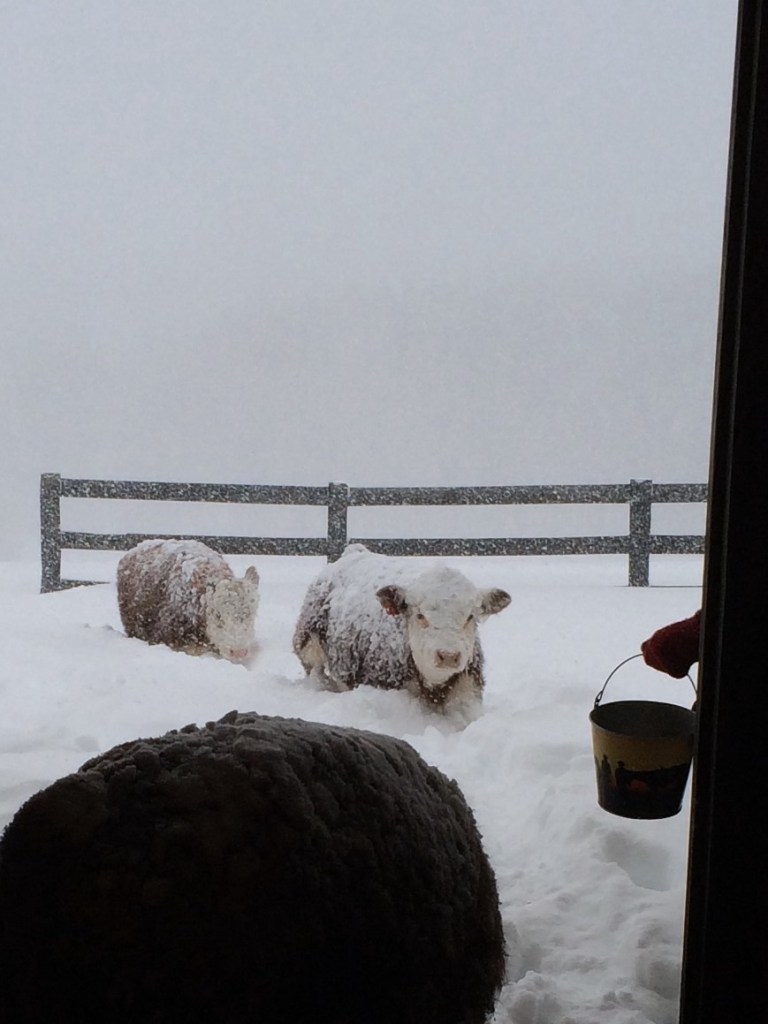
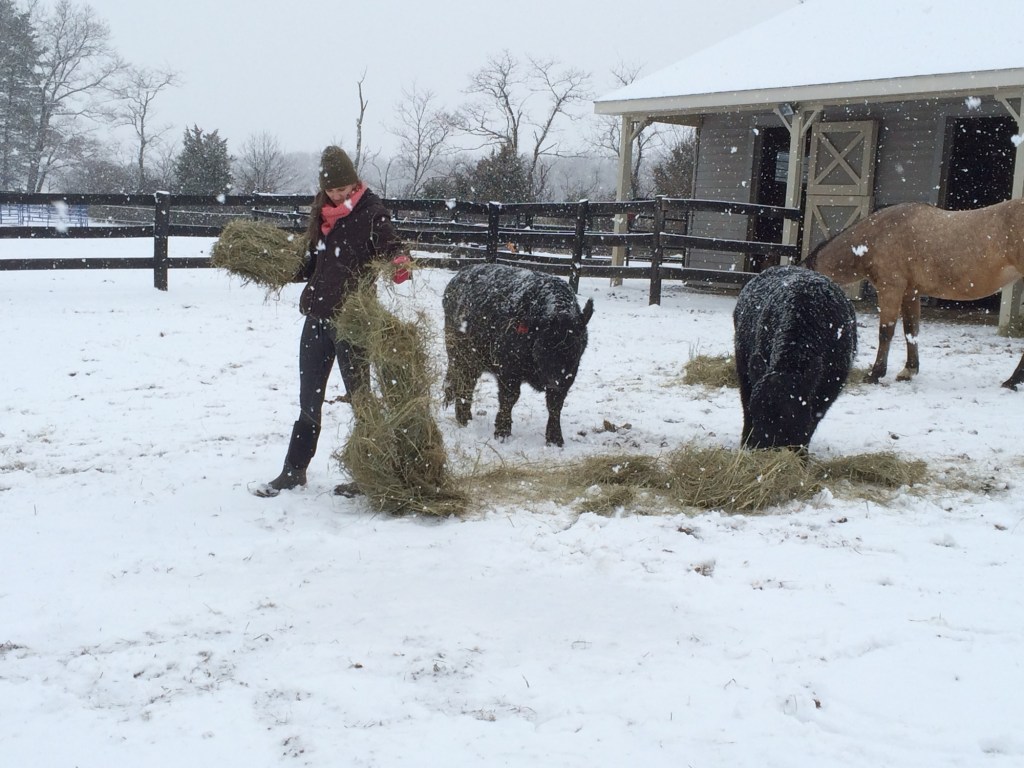
Larry, Mo and Curly on a cold, wintery morning feeding.
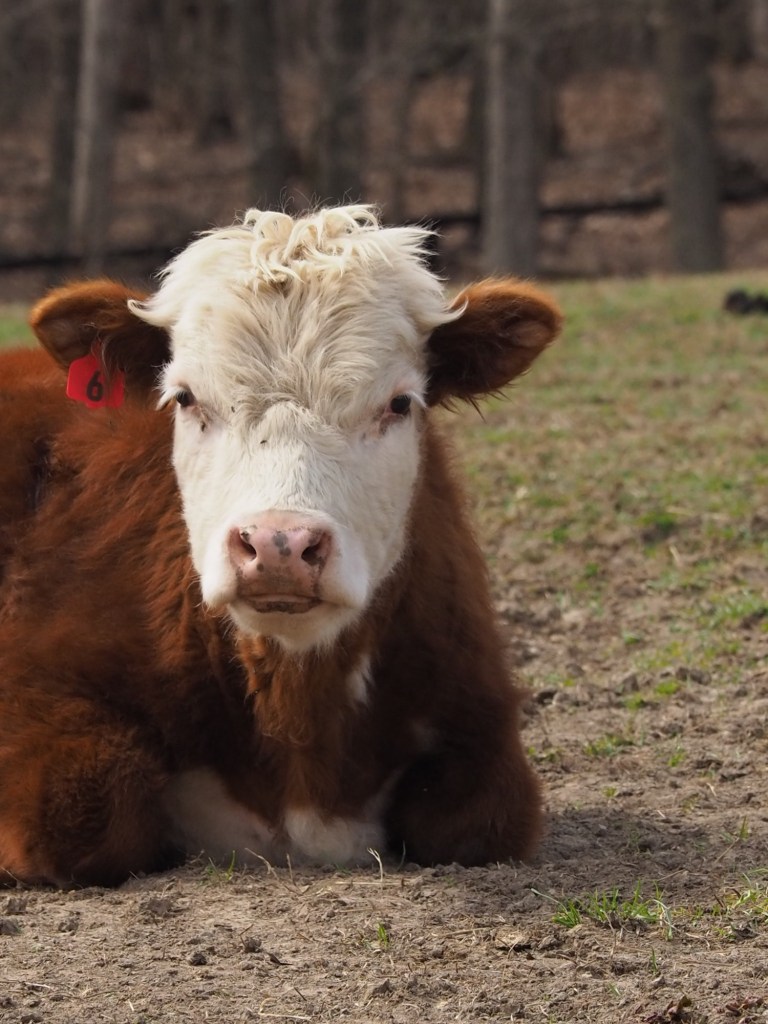
This photo of Mo won a blue ribbon in our county fair with his peaceful repose.

I grew up on a big farm in Virginia. I have always enjoyed cattle.
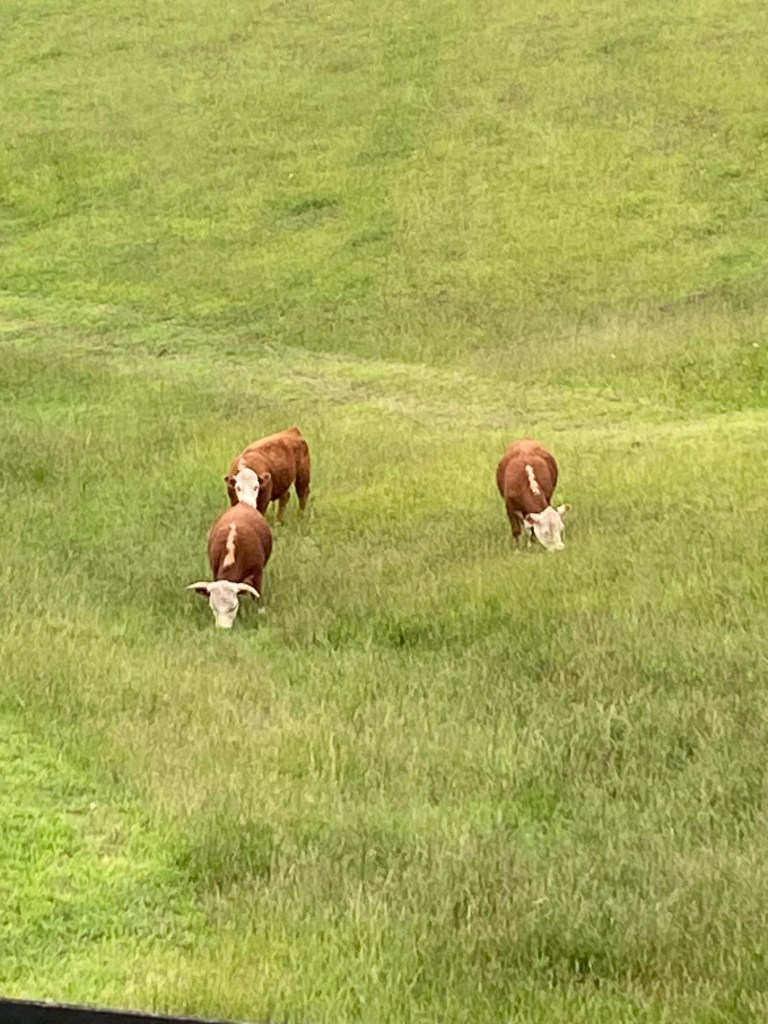
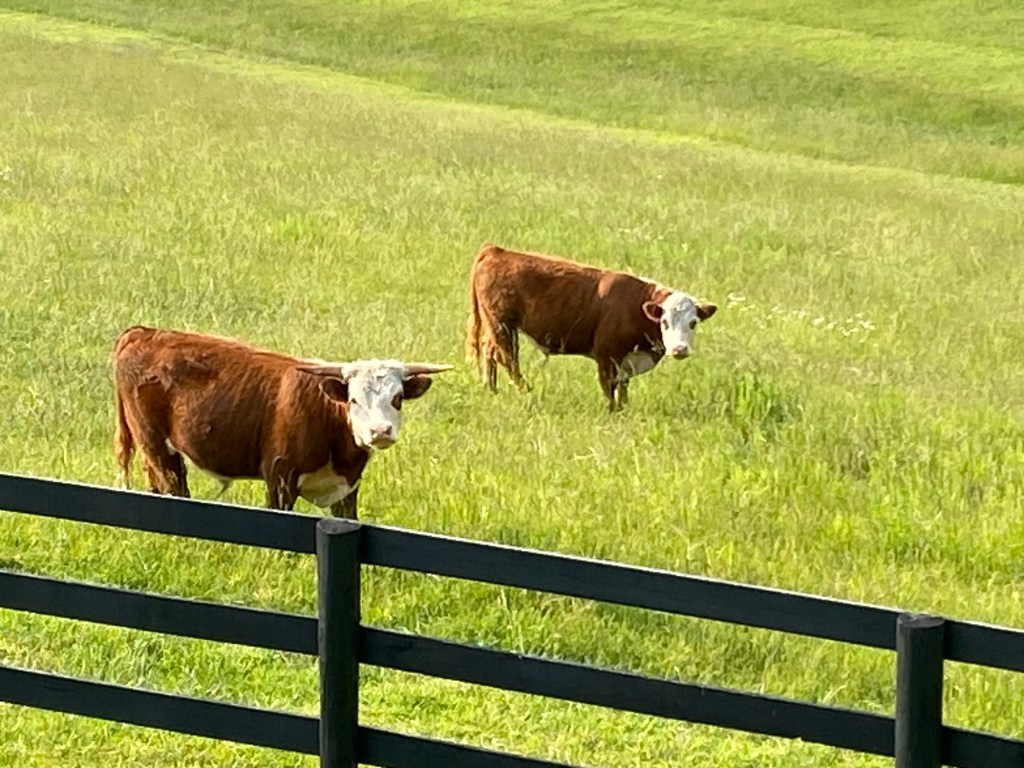
Hewey, Dewey, and Louie enjoying the lush pasture.

Miniature Herefords are our choice of steer to grow out, but we have grown out miniature Angus as well. This year we have one White Face steer. He is a cross between a Hereford and Angus.
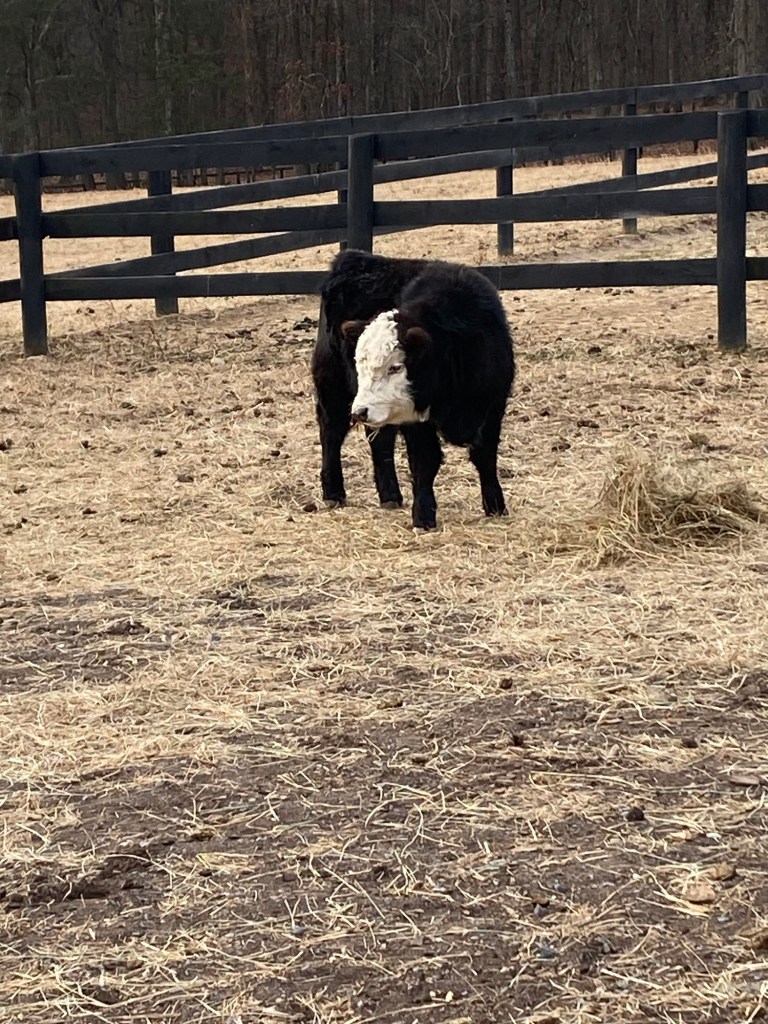
Our first White face steer, Porthos.

Athos, Porthos, and Aramis are with us now.
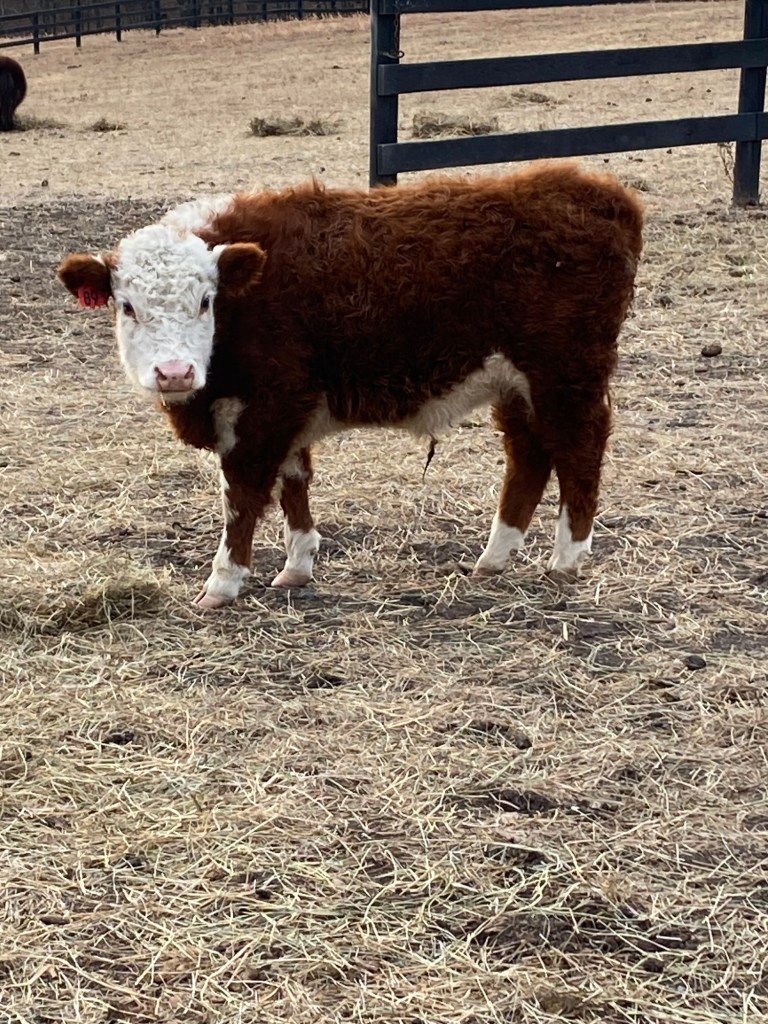
Aramis patiently awaiting his hay.

Thank you for ‘meeting’ some of the great steers we have raised here on our farm. We take effort and pride in them, and raise them to the best of our ability.
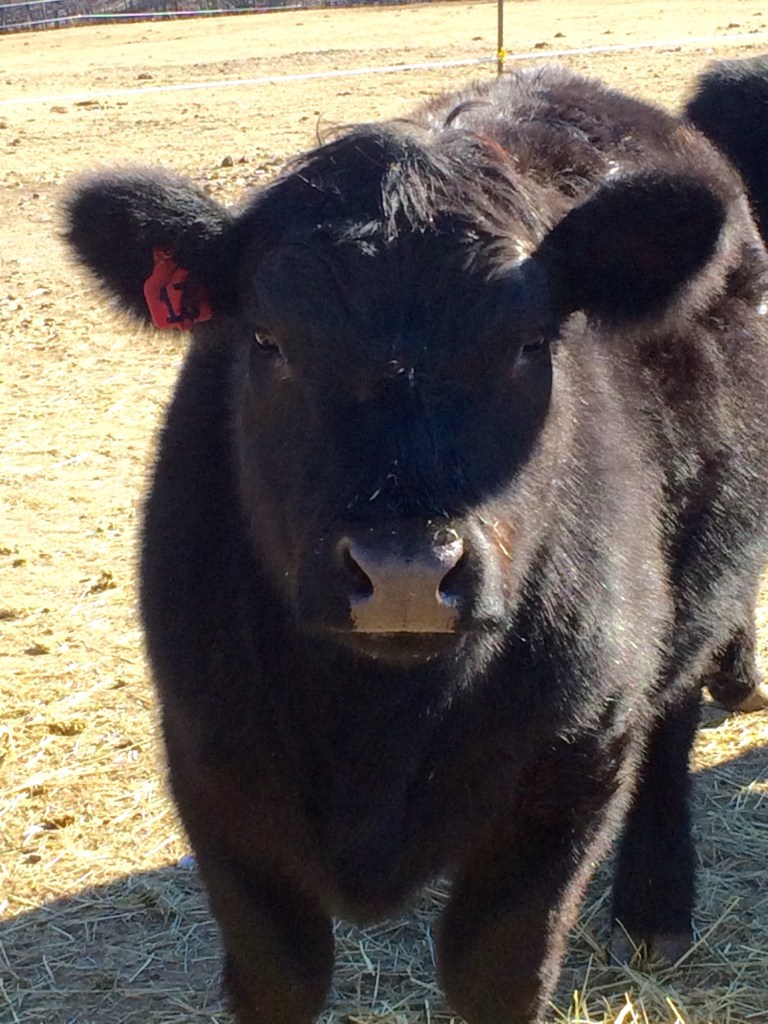
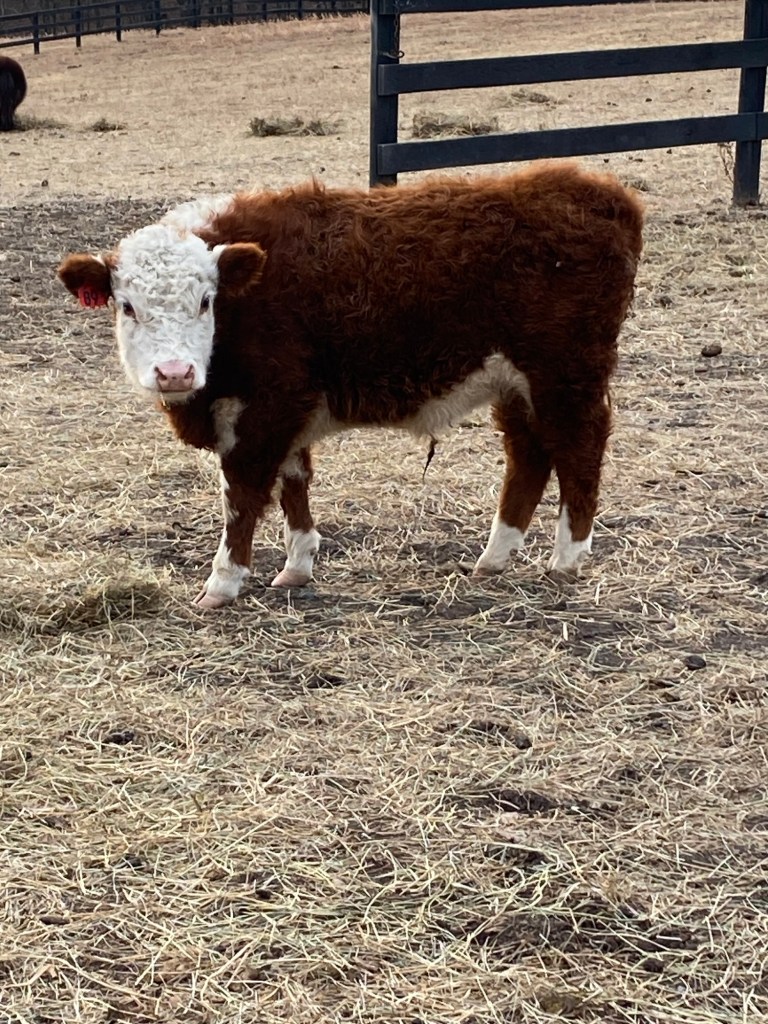
We take this stewardship of these animals seriously.
Herefords are our favorite.
Happy steers.
They live very nicely with the horses. Horses rule over cows.

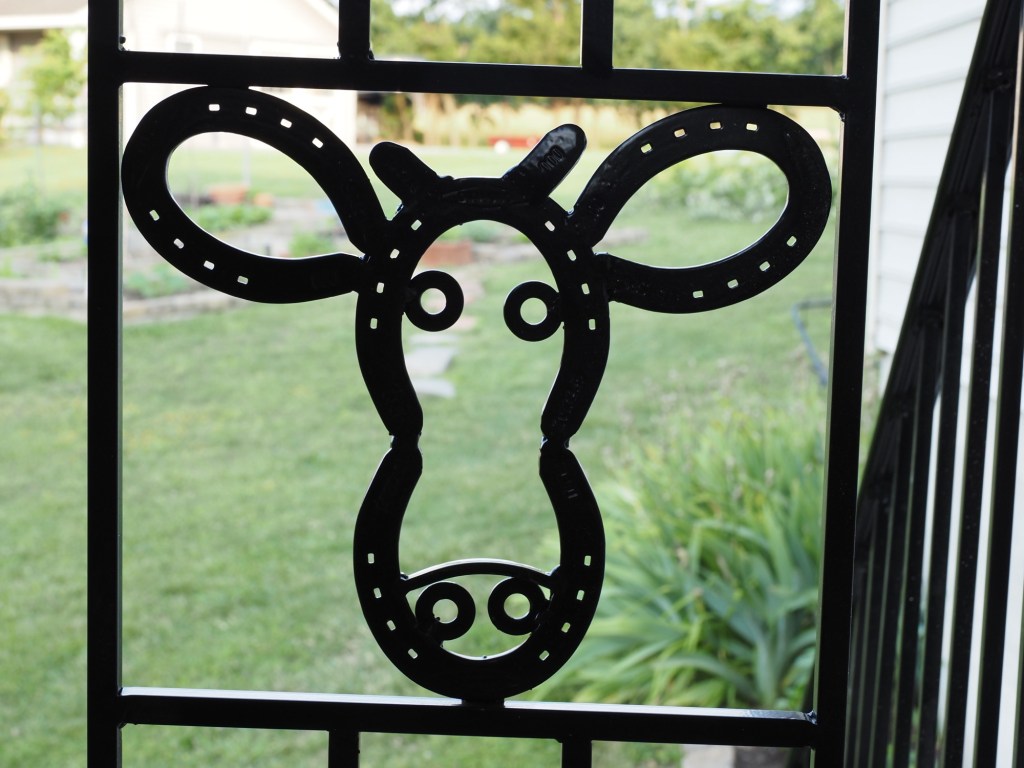
A horseshoe cow I had made for our porch.

A man told me once, “You call yourself a horsewoman, but you’re a cow-woman at heart.”

Sometimes I believe he may just be right.

A Soup a Man would Like (as long as it is served with a Hamburger)

It seems to be a basic fact: woman like soups far more than men. Unless there are loads of beef, sausage, or ham in it. Does that sound pretty accurate?

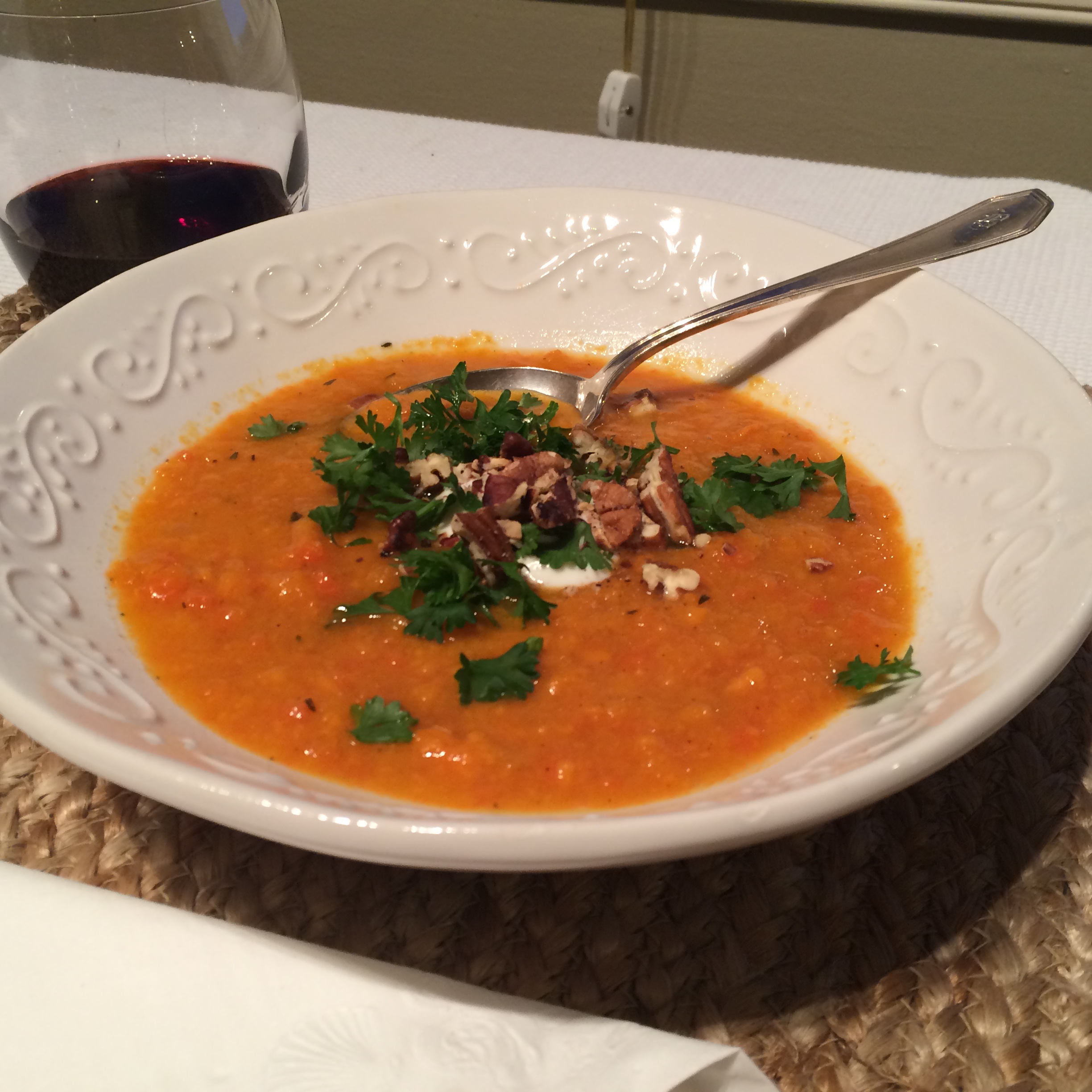
Carrots and sweet potatoes make this a pretty orange soup.

This soup has our beef stock added to the it. Thus giving it a heartier taste, sure to please the men at the table. Though I would still serve a juicy hamburger with it too.

Beef stock is easy to make. Another good reason to purchase 1/4 or 1/2 of well-raised beef (like ours!) as bags of great beef bones are part of the order. This post though is for the soup recipe. So here it goes!

Our homemade beef broth from our beef makes excellent, hearty stock.

Carrot and Sweet Potato Soup

1 lb carrots, peeled and cut in chunks

2 lbs sweet potatoes, peeled and cut in chunks

2 medium onion thin sliced

1 T olive oil

2 T butter

1 tsp dried thyme

1 t salt

1/2 t pepper

4 c water

2 c beef broth

1 T apple cider vinegar with ‘the mother’

4 T chopped fresh parsley (2 T for soup, 2 T for garnish)

In iron skillet heat oil and butter, sauté onions. When nicely caramelized add to soup pot. Add water and beef broth (they should both be room temperature). Add carrots and sweet potatoes, salt, pepper, and vinegar. Simmer gently for about 1 hour, or until potatoes and carrots are tender. If you have time after that, turn soup off and let it just ‘rest’ for awhile. Heat back up just before serving. If you prefer ‘lumpy’ soup, mash it with a potato masher. If you prefer a puréed soup, use your immersion blender. Season again with salt and pepper if needed. Garnish: Fresh chopped parsley and a big spoonful of yogurt or sour cream. Enjoy!

Tip Dry roasted pecans additionally make a nice garnish. Also, be overly generous with the chopped fresh parsley. It is full of Vitamin C, and is great for the tummy. 🙂

Chopped parsley, yogurt, and dry roasted pecans are a lovely garnish. ~Enjoy~

Calming the Grass-Fed Steers?

The steers have gone to a cool place.  Any reader  familiar with this blog knows what that means.  It is the hardest day for this PFO.  There is little hope this day will ever get easy.  They have been processed and delivered to the buyers.  Buyers who have an interest in the quality of food they eat.  They know the farmer.  They know the farm.


“Are they grass-fed only?”  The most asked question heard from interested buyers.  “No, they are not.”

IMG_E6131

Are they grass-fed only?

What many folks do not realize is that cattle have a natural fear of man.  Unlike dogs, cats, and other household pets, cattle have to be taught to feel comfortable around humans.  The way this works for us is with feed.  As I heard a cattleman say once, “Feed keeps the cattle humble.”

img_4311

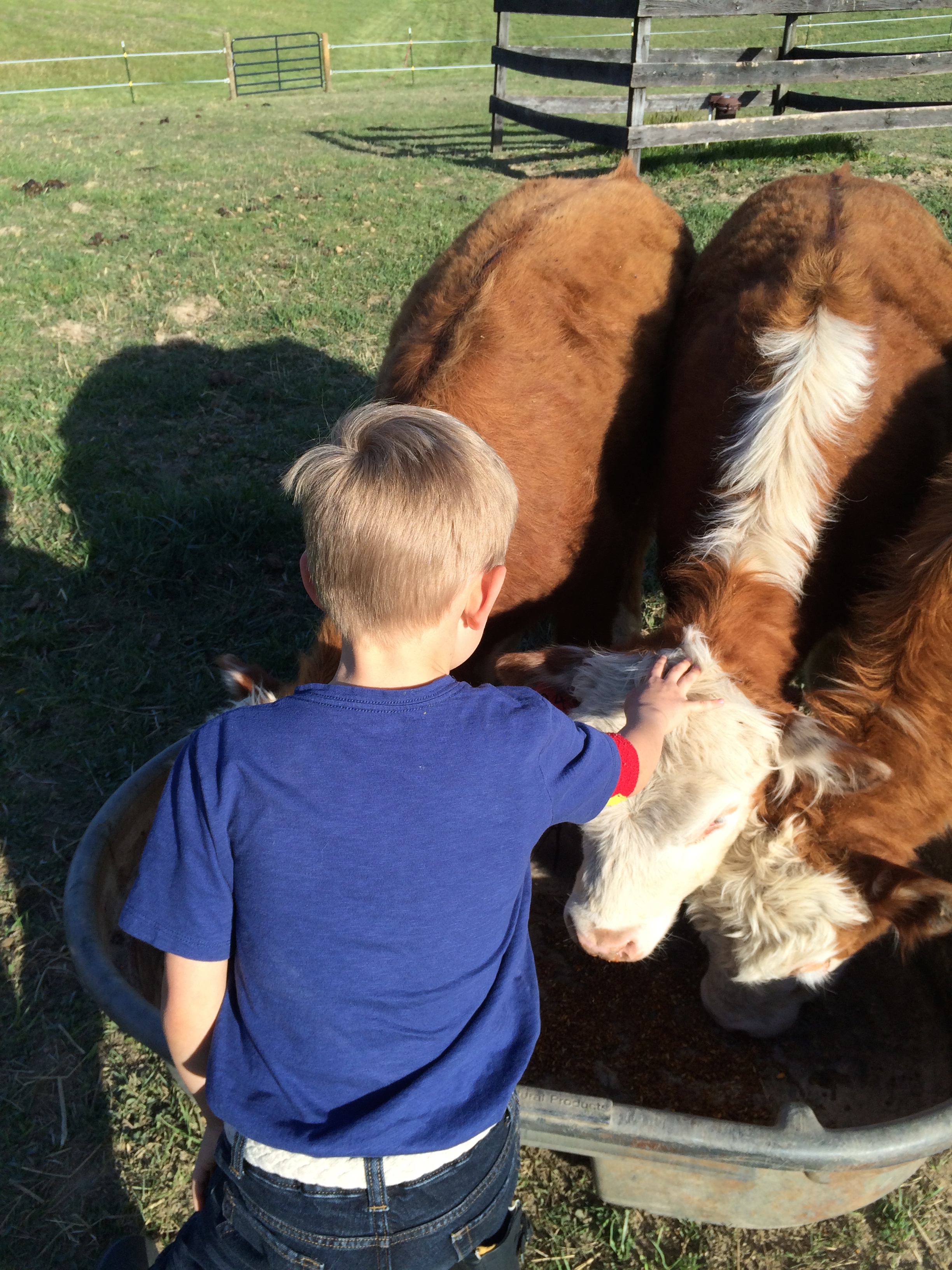
Cattle have to learn to feel comfortable around humans.

What does that mean?  Here it means getting close to the cattle.  This is of utmost importance to this PFO.  They are visually checked daily for injuries, pests, and vital signs.  Is their breathing normal, eyes bright, coat healthy looking and coming on nicely for cold weather?  Do they have a good appetite?  Are they interested in their surroundings?

img_4414

Feed allows us to get close to them.

When they are trained to come to the feed call and beating of the feed bucket, they are willing to hang around we humans.  If these steers were totally grass fed, I suppose we would need re-training on how to properly care for them.  Until our steers are comfortable with us, they spend all their time in the woods and graze at the farthest points in the pasture.  They bolt away should we get too close.


After learning to come in when called for feeding time there is a peacefulness to the day here with all the animals.  They will hang around with the horses and chickens and feel far more at ease.  This is the goal for us.  Is there a more bucolic scene than cattle resting in grass chewing their cud?  Well, do not answer that.  Suppose we are cattle folks at heart!

Training does not take too long.  A couple weeks going out into the field to bring them in quickly gives way to them coming when they hear our voices calling.

IMG_4760

Our steers get plenty of fresh air and all the grass they can eat.

IMG_E6124

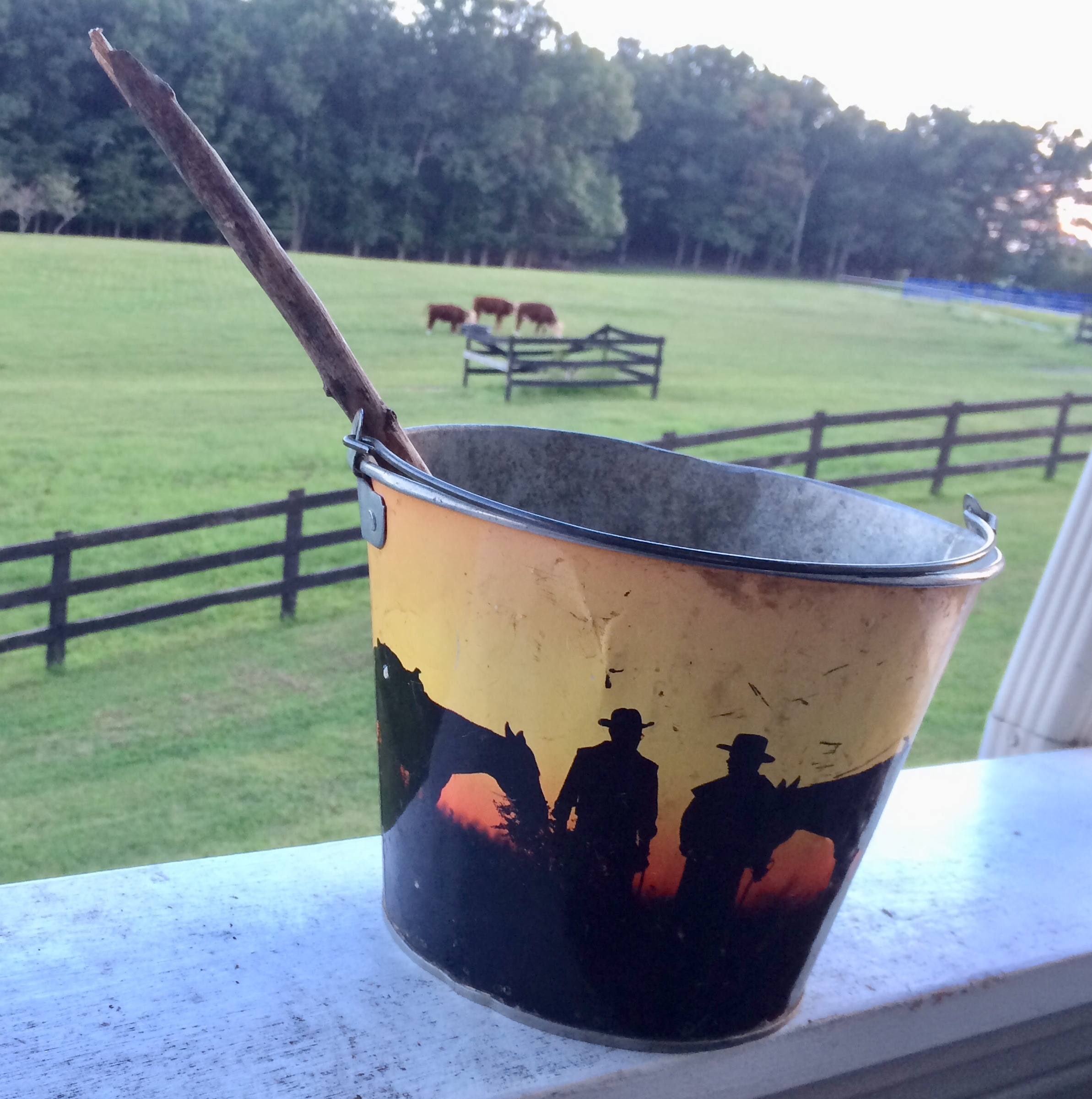
It does not take them long to learn the sound of the feed bucket.


Our goal here at the farm with our hand-raised steers is to give them plenty of fresh air, a place to run, and all the green grass they can eat, along with a little feed to keep them near us for the best of the best care for them.  Right now, as I write this, the steers are out lying in the wet, wet grass peacefully chewing their cud…


IMG_4450

Feed allows us to give the steers the best of best care.


Know the farmer.   Know the farm.

Homemade is best.